What Is a Gear Motor? (The Bottom Line)
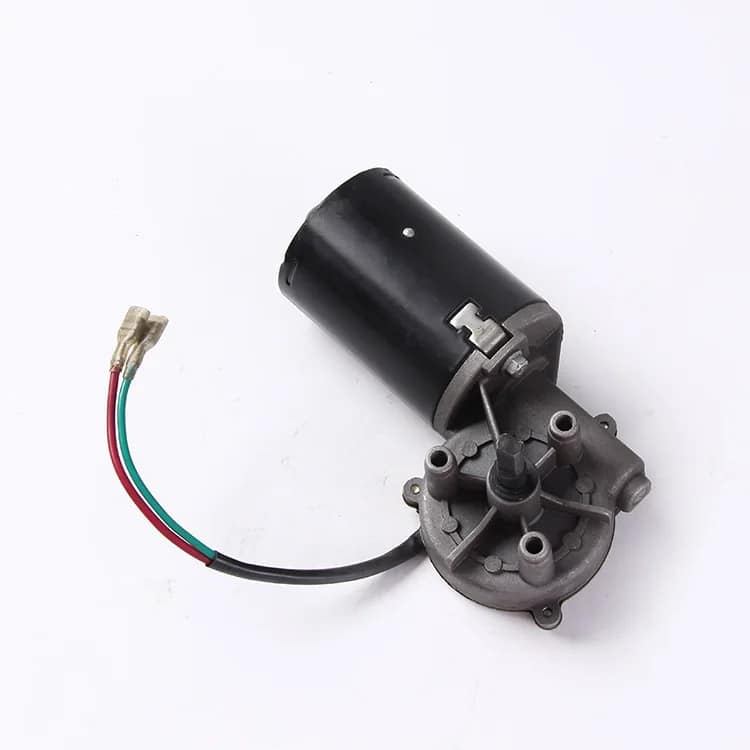
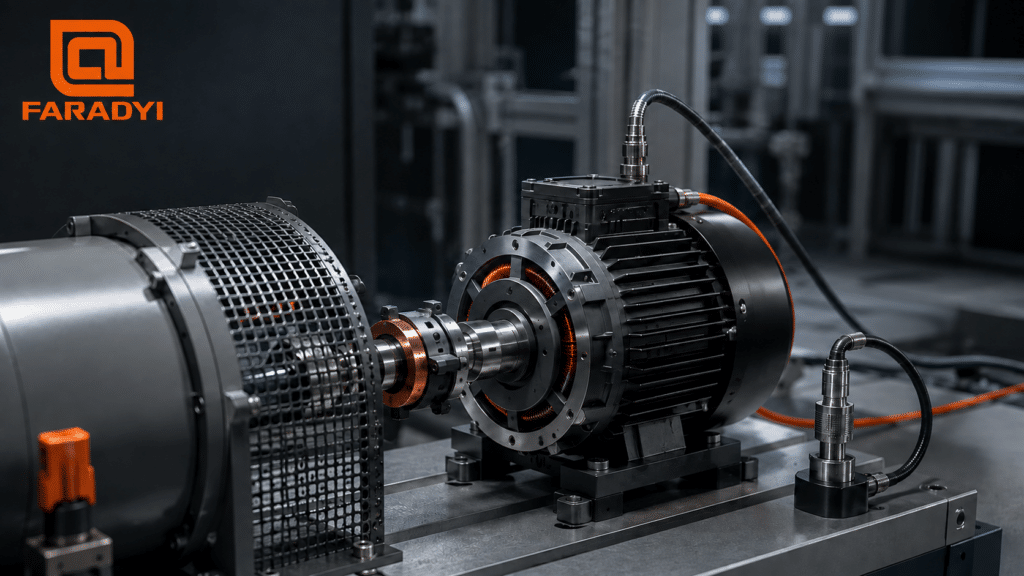
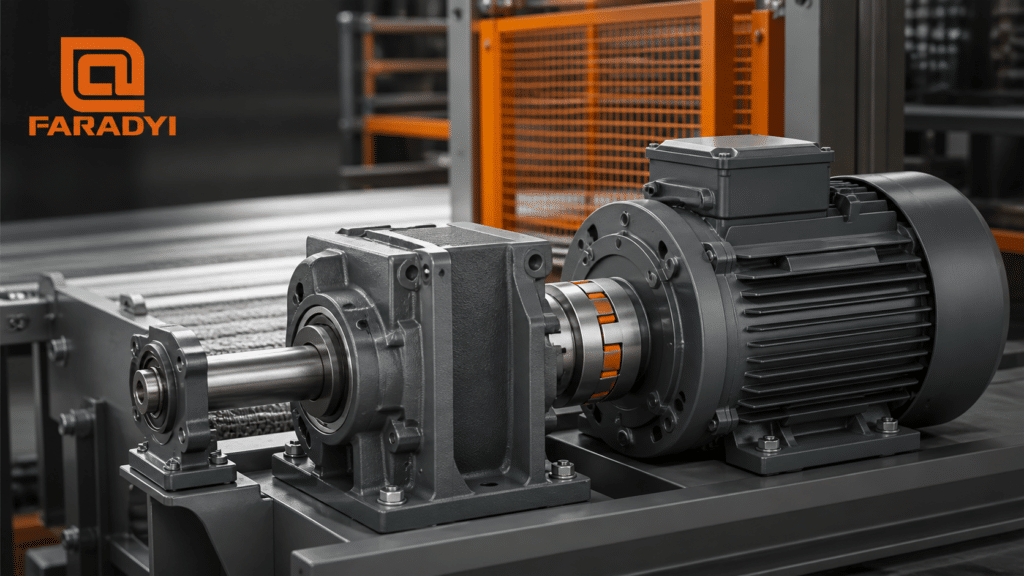
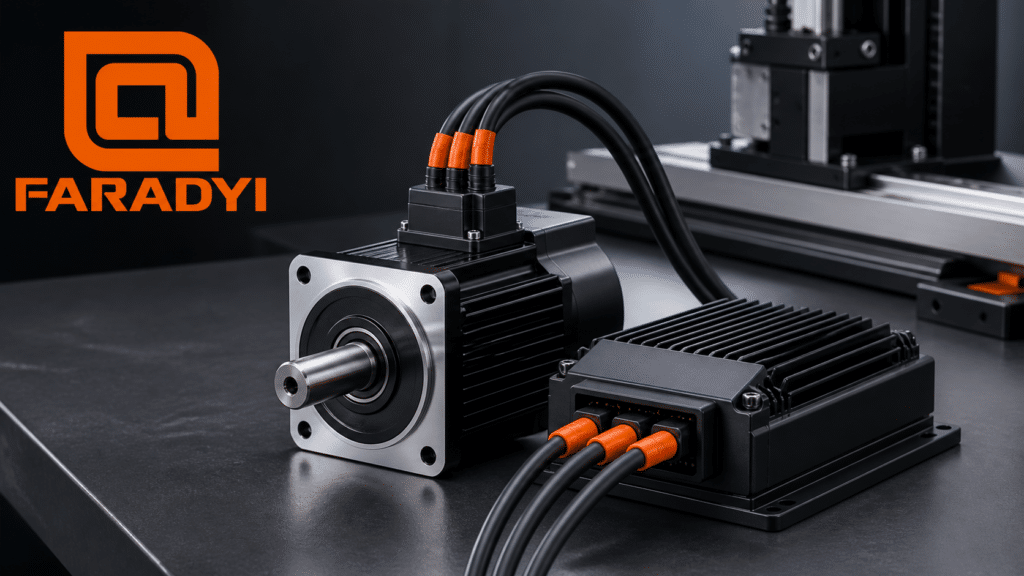
UN gear motor is an all-in-one mechanical device that integrates an electric motor (such as a standard AC, DC, Stepper, or BLDC motor) with a gear reduction system (gearbox).
The core function: It converts the high-speed, low-torque power of an electric motor into low-speed, high-torque output. This compact packaging makes gear motors the ideal solution for driving heavy loads or executing precise mechanical movements without requiring massive, energy-consuming standalone motors.
How Do Gear Motors Work? (Inside the Mechanism)
A gear motor operates through a seamless handover of mechanical power between two main components:
-
The Power Source (Electric Motor): Generates the initial high-speed rotation.
-
The Speed Reducer (Gearbox): Contains interconnected gear sets (like spur or planetary gears). As the motor shaft drives these gears, the physical gear ratio slows down the output speed while proportionally multiplying the rotational force.
The Math Behind Gear Reduction Principles
The internal gearing establishes a gear reduction ratio (e.g., 10:1, 50:1), which mathematically determines your torque multiplication.
For example, if you apply a 10:1 gear ratio:
-
An input speed of 1000 RPM is reduced to an output of 100 RPM.
-
Simultaneously, a base motor torque of 2 Nm is multiplied by 10.
Output Torque ≈ Input Torque x Gear Ratio
(Note: Actual output torque will account for slight mechanical efficiency losses, but the ratio of 2 Nm becomes nearly 20 Nm at the output shaft). Higher ratios like 100:1 or 500:1 can drastically increase torque to move heavy industrial loads while keeping the motor’s physical footprint incredibly small.
What Are the Key Benefits of Using Gear Motors?
Compared to direct-drive systems, gear motors offer superior operational advantages:
-
Massive Torque in a Compact Size: Delivers high power without needing a bulky motor.
-
Precision Control: Perfectly matches the exact speed and torque required for specific applications.
-
High Efficiency & Reliability: Optimized torque transmission minimizes electrical consumption.
-
Acoustic Control: Enclosed integrated systems drastically reduce operating noise and vibration.
-
Design Flexibility: Engineers can mix and match motor types (like precise stepper motors) with various reducers to fit unique spaces.
Major Types of Gear Motors Compared
Different industrial applications require specific gear configurations. Here is a breakdown of the most common types:
| Gear Motor Type |
Shaft Orientation |
Key Characteristics & Best Use Cases |
| Planetary |
Inline |
Highly compact with exceptional torque density. Ideal for robotics and precise automation. |
| Worm Drive |
Right Angle (90°) |
High reduction ratios in a single stage. Features self-locking properties (load cannot back-drive). |
| Parallel Shaft |
Parallel |
Input and output shafts run side-by-side. Excellent for space-constrained flat installations. |
| Helical & Bevel |
Varies |
Smooth, quiet operation with high efficiency. Bevel gears are often used for right-angle direction changes. |
Custom Gear Motor Solutions at Faradyi Motors
Gear motor technology continues to advance, serving an ever-expanding range of industrial motion control applications—from conveyors and mixers to packaging machines and precise robot joints.
At Faradyi Motors, we focus on engineering custom gear motor solutions to meet your specialized operational needs. Whether you require a high-torque planetary gearbox or a precision stepper gear motor, we have the technical capability to deliver.
Contact today and quickly get a customized quotation for your next project.