1. »
  2. Faradyi Motors ナレッジブログ
  3. »
  4. 複写機におけるステッピングモーターの応用

複写機におけるステッピングモーターの応用

目次

ステッピングモーター

The Core Application of Stepper Motors in Photocopiers

The Bottom Line (Key Takeaway): The application of stepper motors in photocopiers is absolutely critical for functions requiring precise positioning, low vibration, and consistent speed. While they are the superior choice for scanner carriages and lens magnification mechanisms due to their instant synchronization, other components like rotating drums require different technologies (like BLDC motors) to manage ultra-low speed ripples.

ステッピングモーター

Component-by-Component Motor Selection Guide

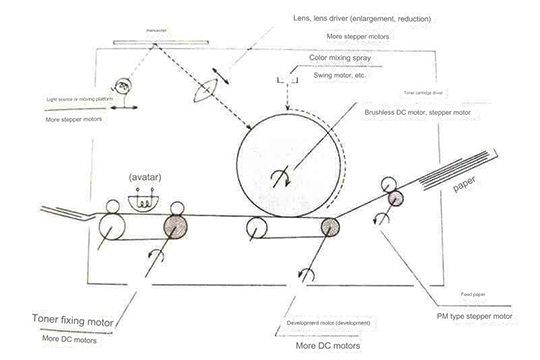
To understand exactly how a photocopier operates, here is a structural breakdown of its internal drive mechanisms and why specific motors are chosen:

Photocopier Component Typical Motor Used Engineering Reason & Requirement
1. Scanner Carriage Three-Phase Stepper Motor Requires smooth, low-noise motion during reading and rapid, accurate returns. Steppers instantly reach synchronous speed without acceleration travel.
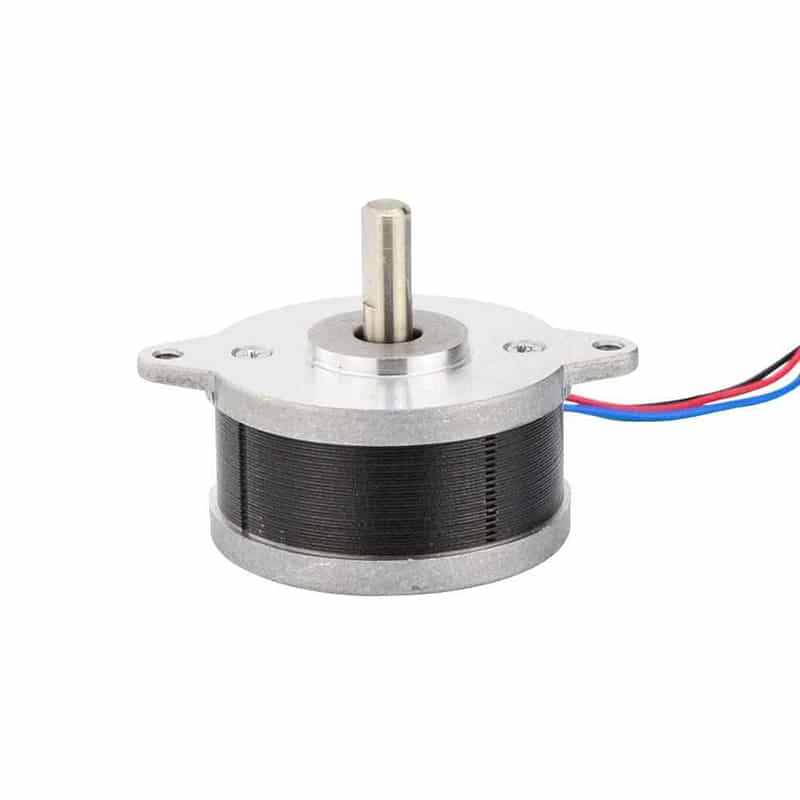
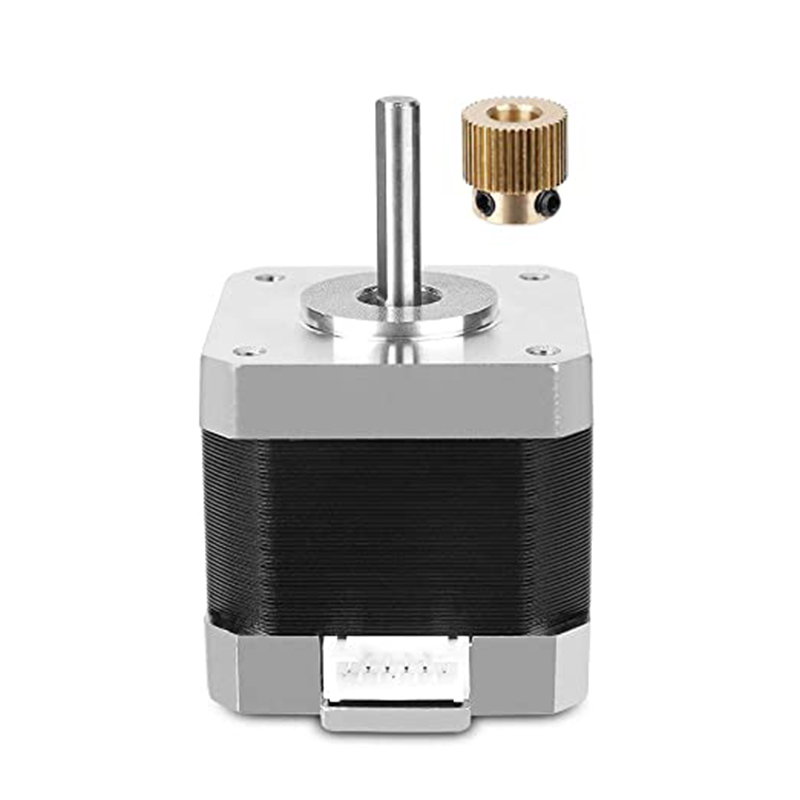
2. Lens & Mirror Drive 42mm HB or PM Stepper Motor Responsible for magnification and focus. Demands highly accurate, repeatable positioning to ensure image clarity.
3. Paper Feeder Low-Cost PM Stepper or DC Motor Requires basic, reliable torque to pull paper through the system continuously without requiring ultra-high precision.
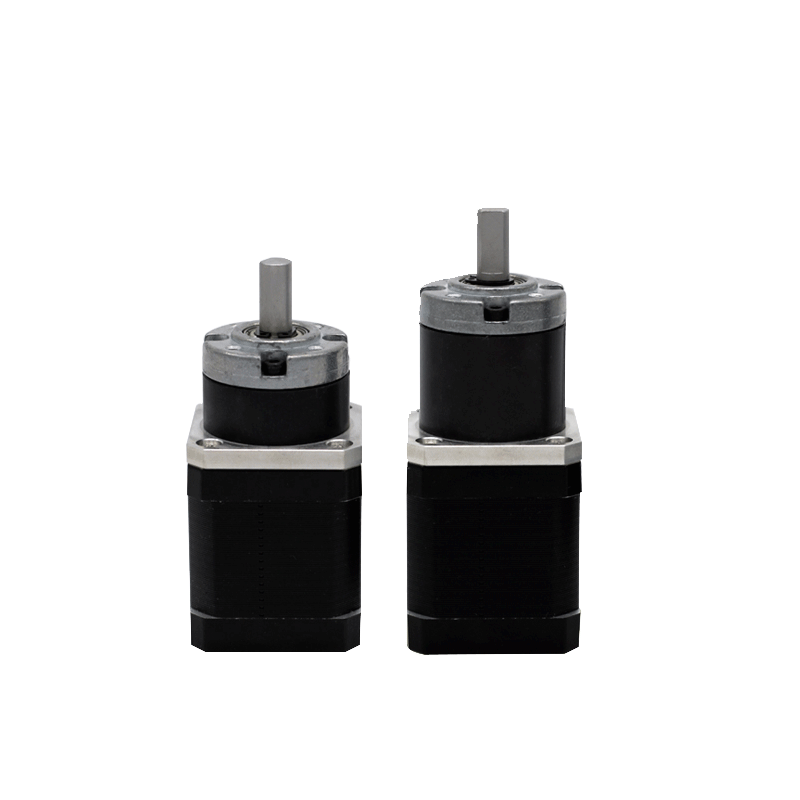
4. Rotating Drum Brushless DC Motor (BLDC) + Gearbox Rotates below 100 RPM. A standard 2-phase stepper creates too much ripple here, degrading copy quality. A geared BLDC offers ultra-smooth low-speed motion.

Q&A: Quick Technical Insights

Question: Why are stepper motors preferred over brushless DC motors for the scanner drive?

Answer: The scanner module needs to perform frequent forward and reverse operations over a wide speed range using trapezoidal or triangular drive methods. Stepper motors can instantly reach synchronous speed without needing physical acceleration travel, offering minimal speed fluctuation and strict positional accuracy.


Question: Why isn’t a standard two-phase 1.8° stepper motor suitable for the rotating drum?

Answer: The rotating drum must operate continuously at speeds below 100 RPM. At such low speeds, a directly driven two-phase stepper motor generates natural torque ripple and vibration, which instantly degrades the scanned image quality. Therefore, a geared BLDC motor is used instead to guarantee absolute smoothness.
製品に関するお問い合わせ