
BLDC Motor Current Sensing: Methods and Driver Selection
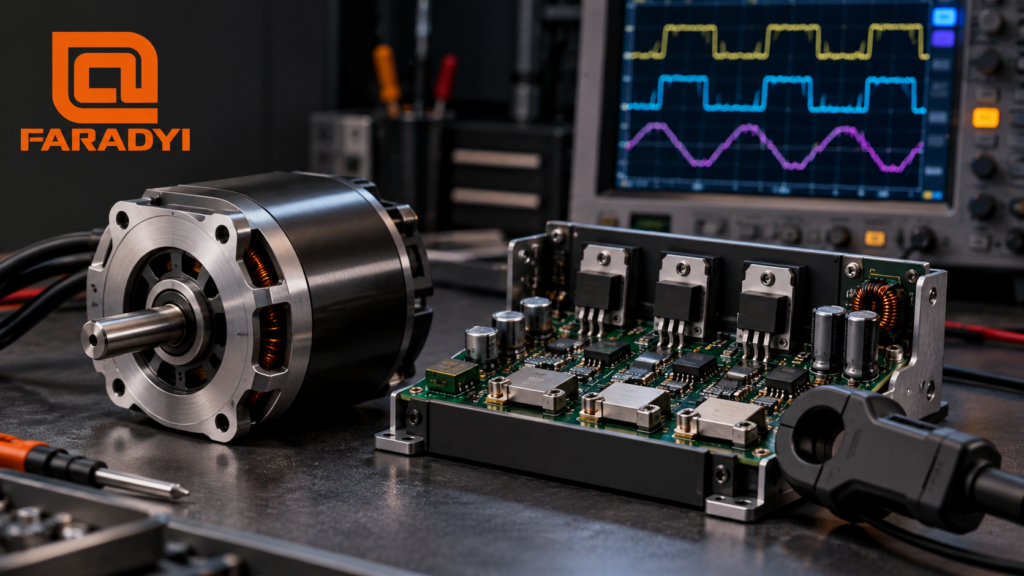
Compare BLDC motor current sensing methods, understand phase versus bus current, and check PWM sampling, noise, and protection before choosing a driver.
Low-Voltage DC Servo Motors vs. Stepper Motors: Selection Guide
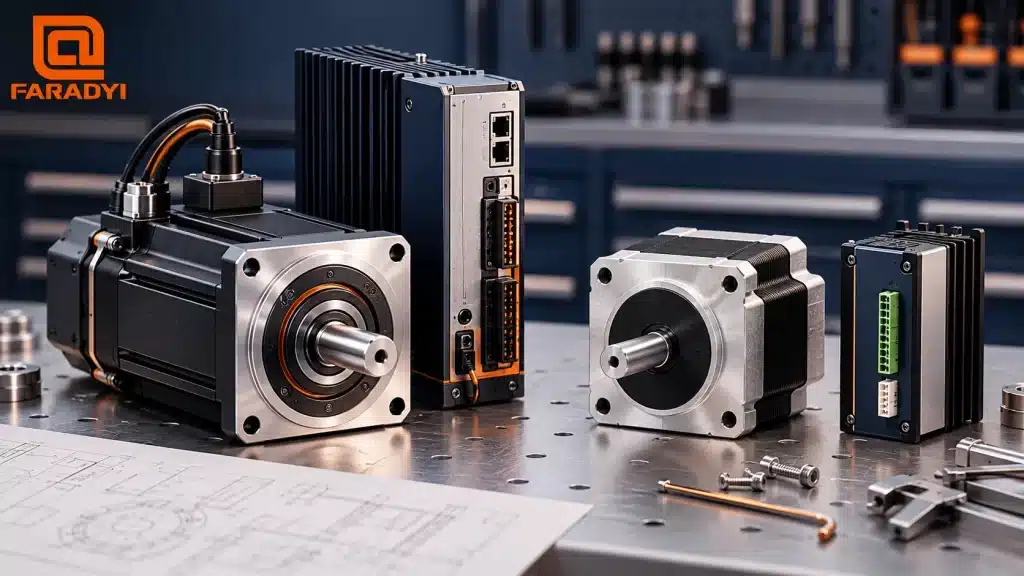
Compare low-voltage servo and stepper systems using torque-speed curves, positioning needs, duty cycle, holding requirements, and total system cost.
Brushless DC Motor Torque: How to Increase It Safely
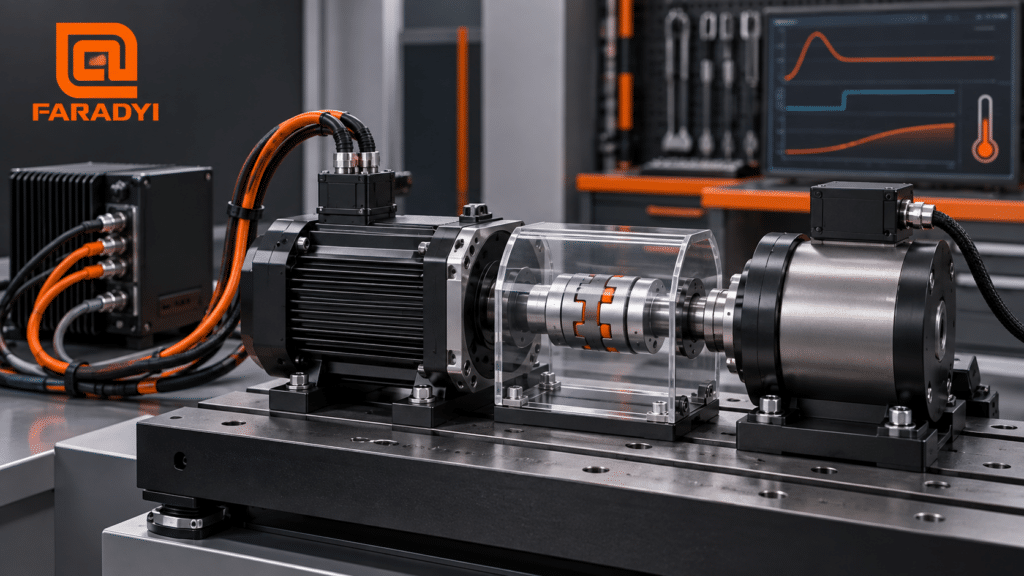
Learn what controls brushless DC motor torque and how current, cooling, commutation, gearing, and motor sizing can increase usable torque safely.
How Long Do Brushless DC Motors Last? Lifespan Guide
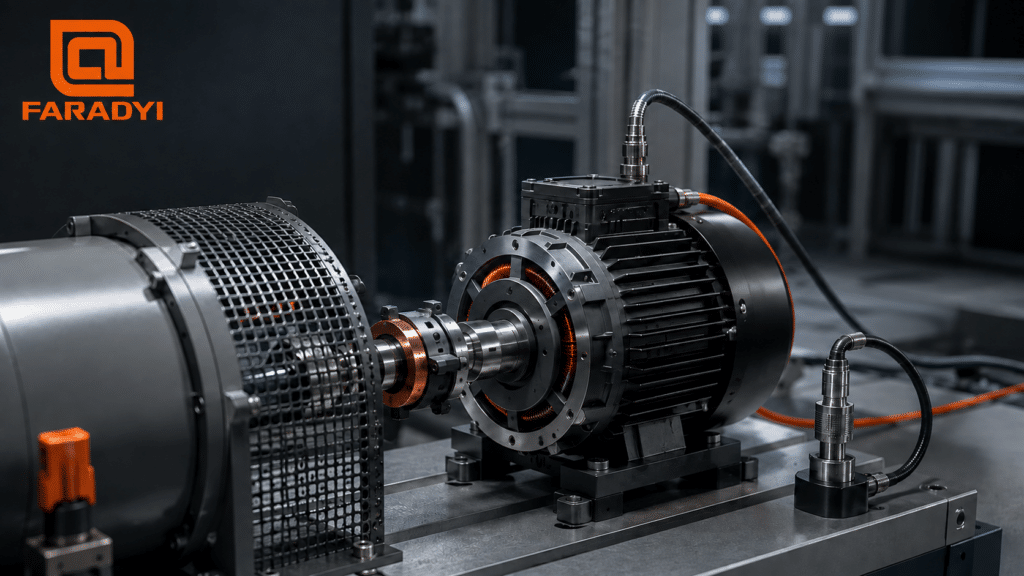
Learn how bearings, temperature, load, speed, contamination, alignment, drive settings, and maintenance determine brushless DC motor lifespan.
Gear Reducers: How They Work, Types, Uses, and Selection
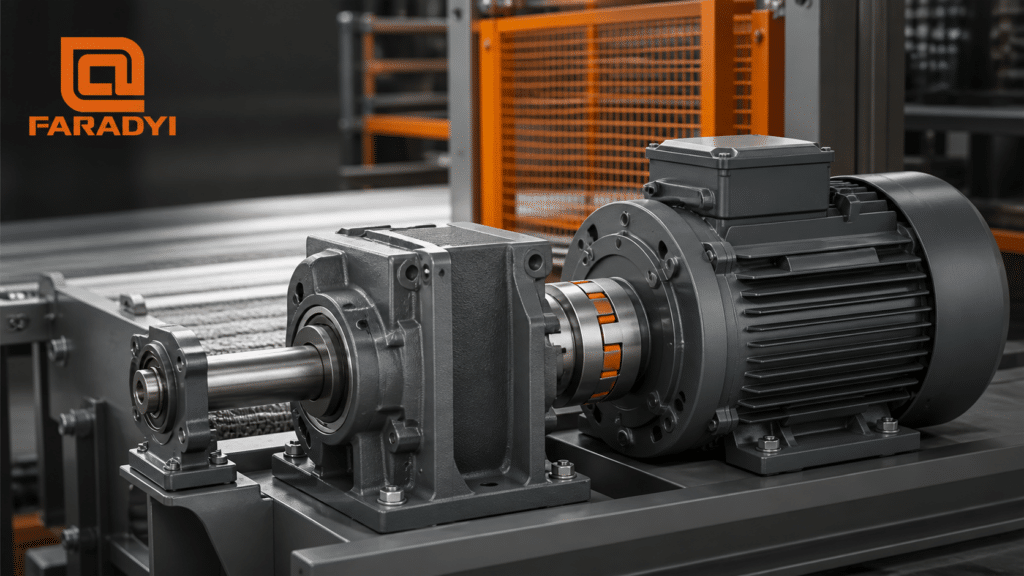
Learn how gear reducers reduce speed and multiply torque, how common reducer types differ, and which ratio, load, thermal, mounting, and maintenance factors matter.
What Is a Brushless DC Motor? How BLDC Motors Work
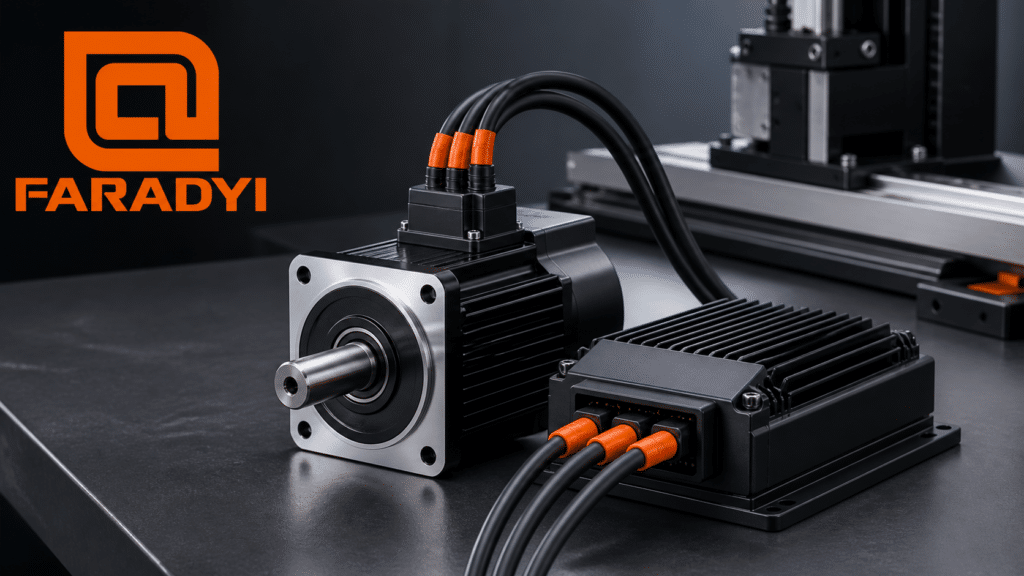
Learn what a brushless DC motor is, how electronic commutation works, and how to compare BLDC motor construction, controls, benefits, limitations, and applications.
What Is Kv in Brushless Motor? Formula, Torque, and Selection Guide
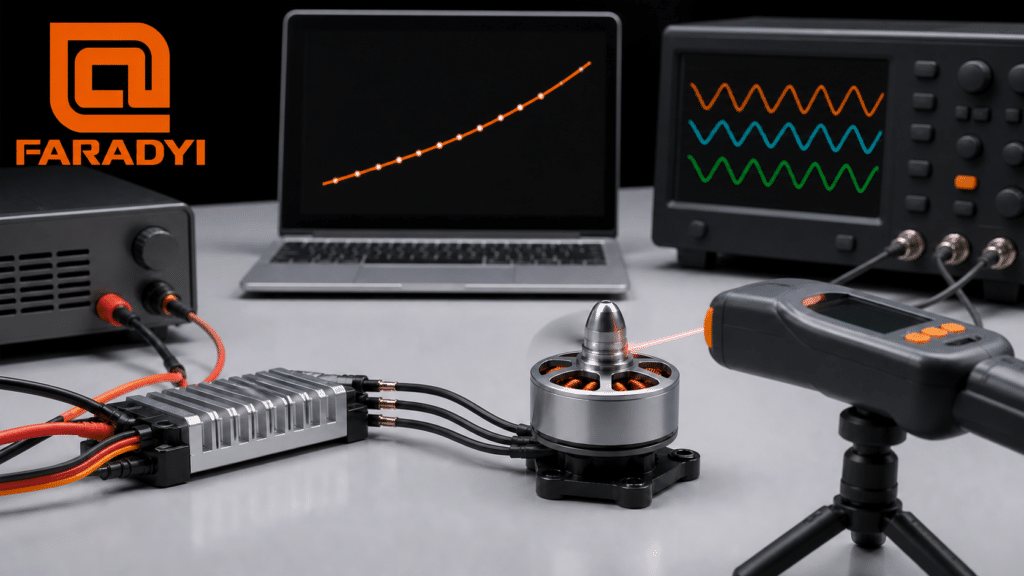
Learn what is Kv in brushless motor means, how to estimate no-load RPM, how Kv relates to torque constant, and how to match voltage, ESC, and load.
DC Motor: Brushed vs Brushless Differences and Selection Guide
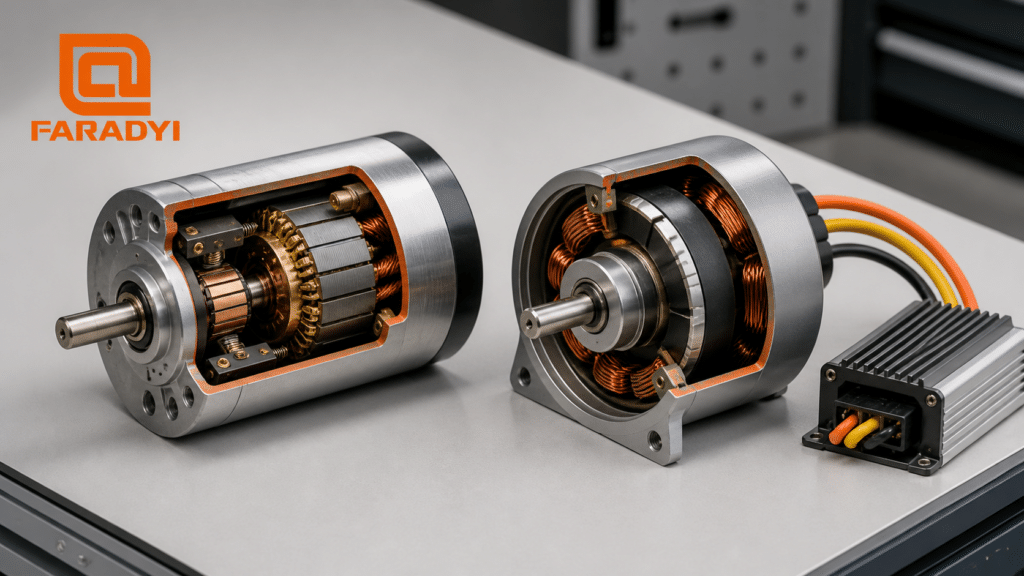
Compare brushed and brushless DC motors by commutation, control, efficiency, maintenance, noise, cost, service life, and applications.
How to Wire a Stepper Motor Safely
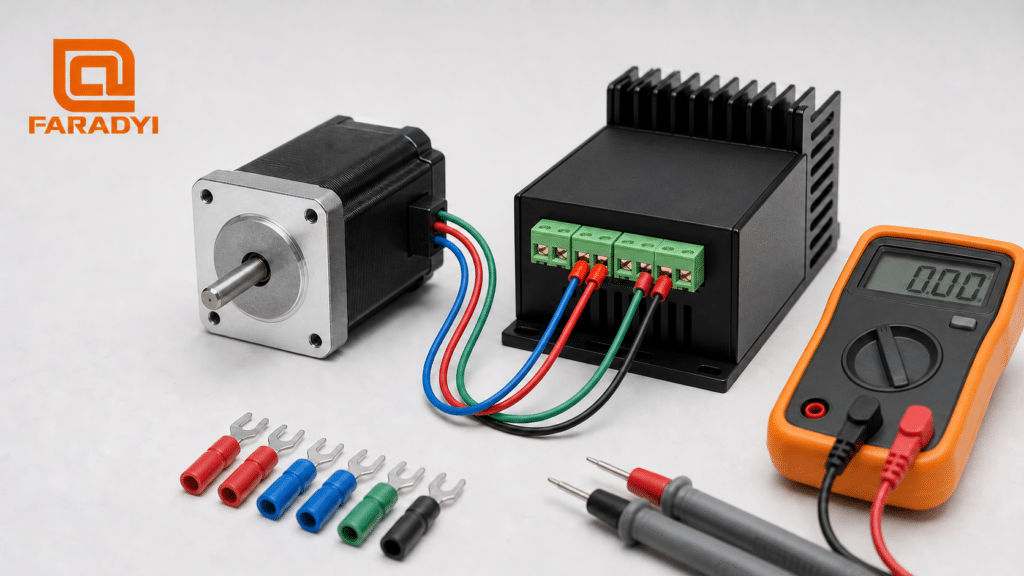
Learning how to wire a stepper motor starts with three checks: identify which leads belong to each phase, confirm whether the motor has 4, 5, 6, or 8 wires, and use a compatible stepper driver. Do not rely on wire color alone—colors are not universal across motor manufacturers.
Worm Drive Electric Motor Guide: Uses & Selection
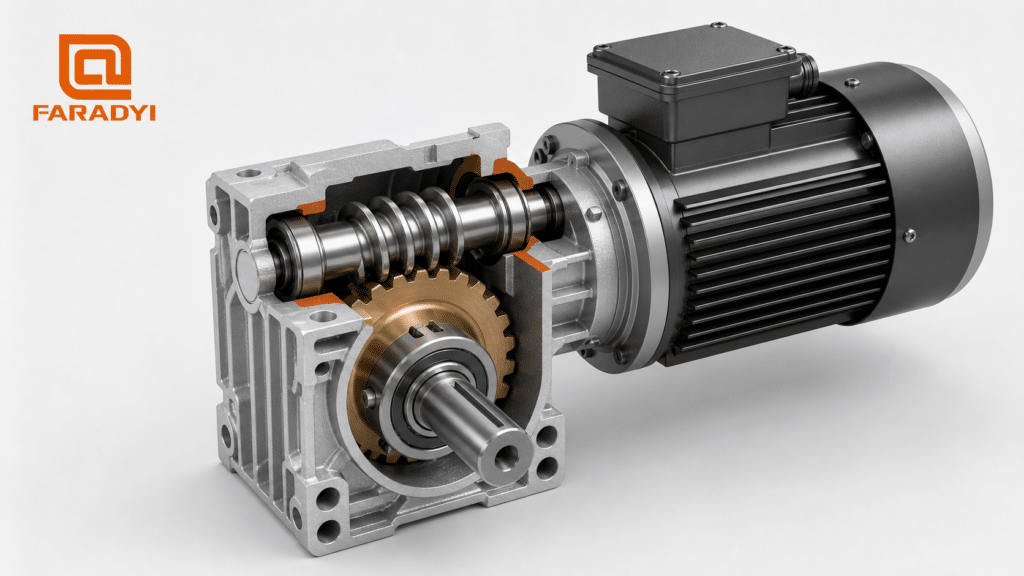
A worm drive electric motor combines a motor and right-angle worm gearbox to reduce speed and increase torque. Learn how it works, its tradeoffs, applications, and selection criteria.
What Is a Permanent Magnet? How It Works, Types and Uses
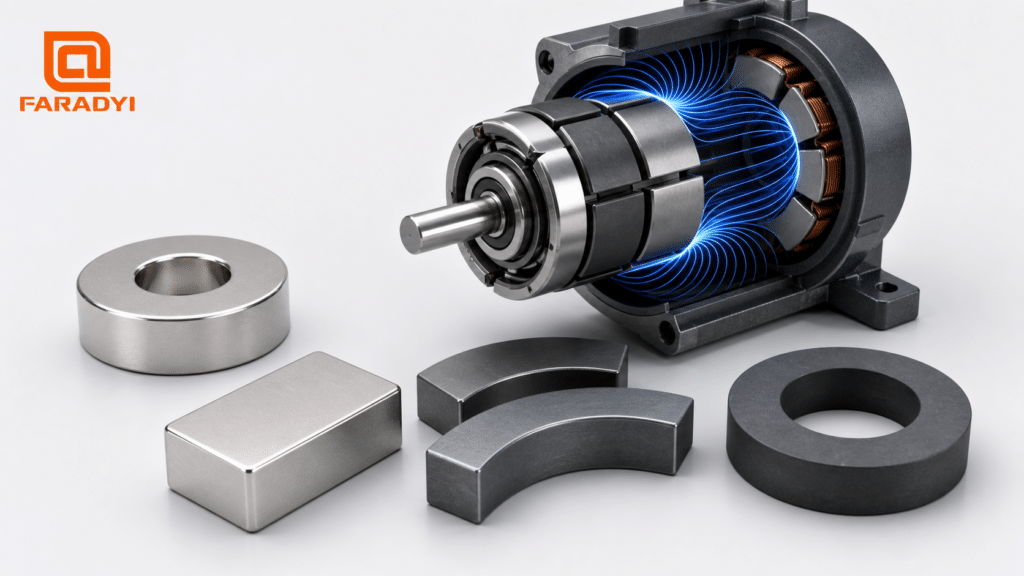
A permanent magnet retains a useful magnetic field without continuous electrical input. Common permanent-magnet materials include neodymium-iron-boron, samarium-cobalt, ceramic ferrite, and Alnico.
Coreless Motors: How They Work, Benefits & Uses
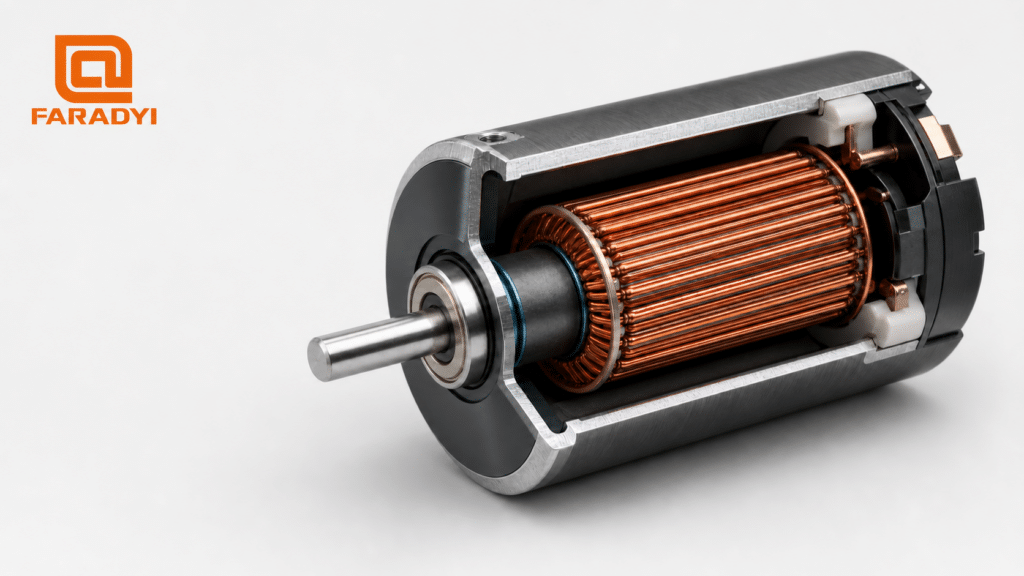
Learn how coreless motors work, their benefits, limitations, applications, and selection criteria. Explore custom coreless DC motors from Faradyi.