How Does the Stepper Motor Use Environment Affect Your Selection?
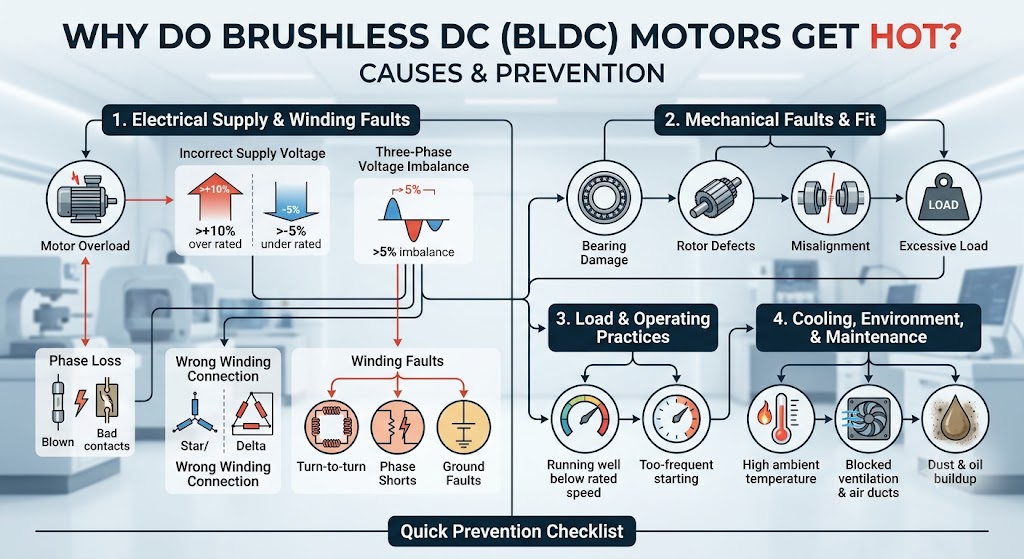
The Bottom Line (Key Takeaway): Your stepper motor use environment heavily dictates the motor’s lifespan, reliability, and necessary physical modifications. When selecting a motor, you must look beyond basic torque and speed. Operating in harsh environments—such as high temperatures, humid conditions, or dusty factory floors—requires specific insulation classes (like Class B, F, or H) and specialized protective measures to prevent catastrophic mechanical failure.
Environmental Selection Guide: Quick Reference
To ensure your motor survives its intended workplace, evaluate these three critical environmental factors before ordering:
Environmental Factor
Primary Risks to Motor
Engineering Solutions & Requirements
1. Ambient Temperature
Coil insulation burnout, magnet demagnetization, and bearing grease degradation.
Upgrade to Class B, F, or H insulation. Add external cooling fans, or run at reduced power. Mount on a metal heat sink.
2. High Humidity
Rust and corrosion of the iron core and permanent magnets (especially in the air gap).
Ensure a non-condensing environment. Use specialized anti-corrosion coatings if strictly necessary.
3. Dust & Particulates
Bearing physical jam, conductor short circuits, and severe mechanical friction.
Specify dust-proof bearings. Use rubber or resin to seal and protect the coil and lead wire sections.
Deep Dive: Managing the 3 Critical Environmental Factors
1. Managing Ambient Temperature and Heat Dissipation
The standard insulation level for most commercial stepper motors is Class E. A Class E motor assumes a maximum ambient temperature of 50°C, allows a motor temperature rise of less than 70°C, and requires the internal coil temperature to stay below 120°C.
Mounting Matters: Installing the motor directly onto a metal base plate or outer wall allows the metal to act as a natural heat sink, significantly lowering the overall temperature rise.
High-Temp Upgrades: If your machine operates outdoors or in extreme heat, you must upgrade the coil insulation to Class B, Class F, or Class H. Additionally, you must specify high-temperature resistance for both the bearing grease and the permanent magnets to prevent demagnetization.
2. Controlling Humidity and Condensation
Stepper motors are highly susceptible to moisture. General specifications assume a non-condensing environment. The primary threat here is the rust and corrosion of the iron core and permanent magnets. For hybrid stepper motors, it is absolutely critical that rust does not form in the tiny air gap between the stator and rotor, as this will instantly destroy the motor’s precision and cause physical jamming.
3. Implementing Dust-Proof Measures
When used in OA machines (office automation), motors enjoy a clean, sealed turning state. However, in FA machines (factory automation) or outdoor monitors, dust intrusion is a major threat. Dust-proof models primarily focus on sealing the bearings and conductors. Manufacturers achieve this by using specialized rubber or resin compounds to encase the coil and lead wire parts. If your application involves heavy dust, you must consult with the manufacturer for a custom sealed order.
(Need a motor customized for extreme conditions? Explore Faradyi Motors’ robust lineup of Stepper Motors designed for industrial applications.)