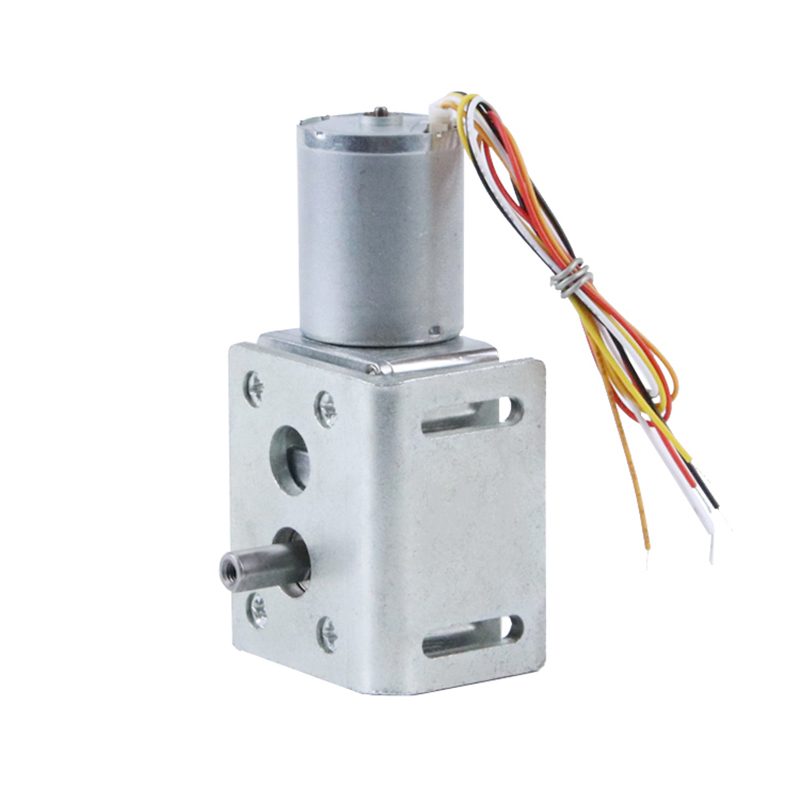
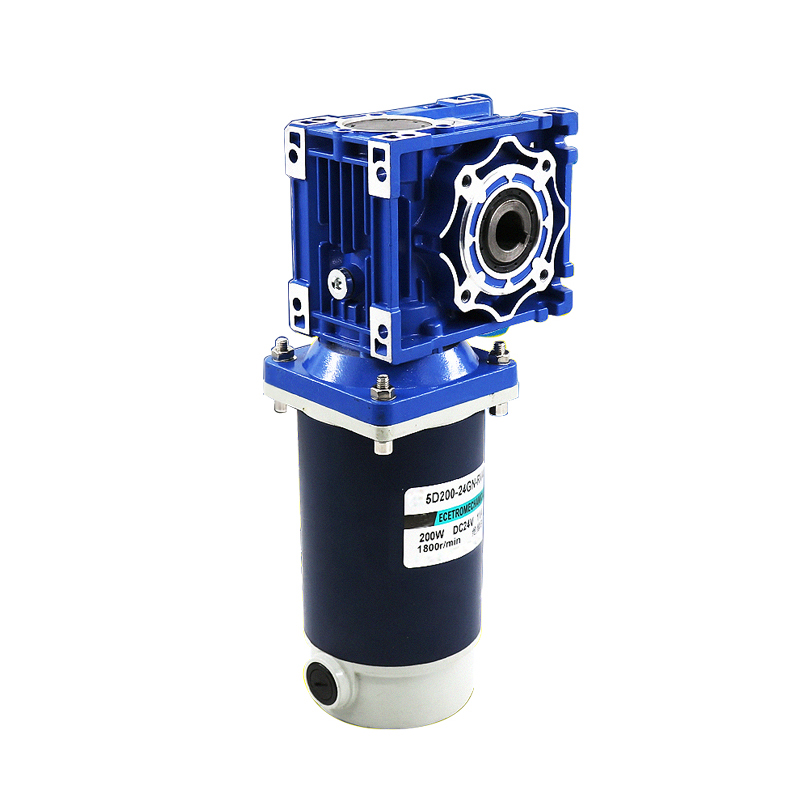
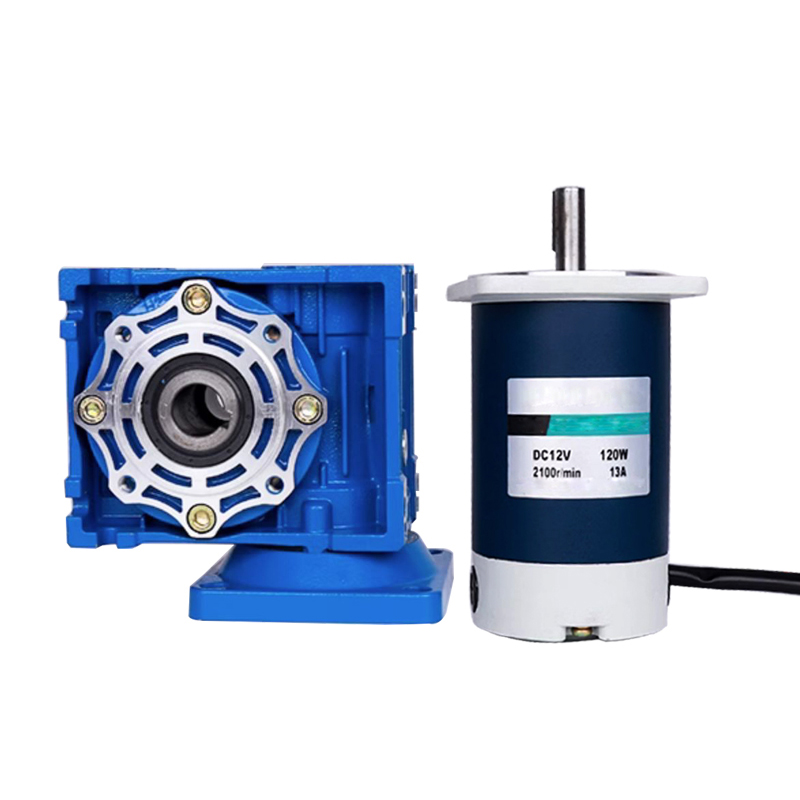
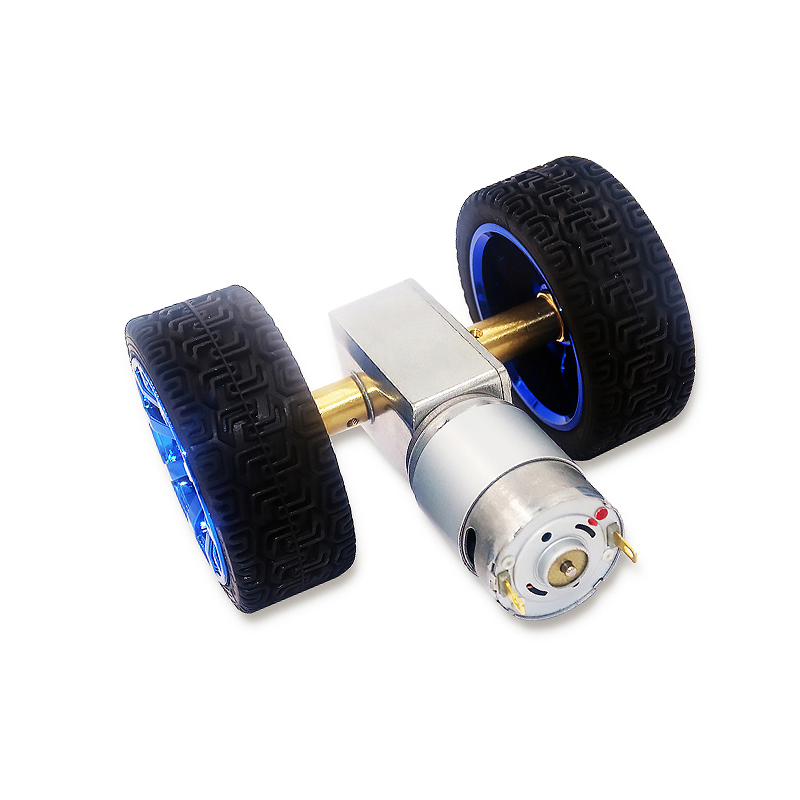
Worm Gear Motor Supplier | Custom AC/DC Worm Gear Motors
Engineered AC and DC worm gear motors across a full size range—built for high torque, space efficiency, and reliable self-locking to secure your application.
High-performance AC/DC worm gear motors with high torque, compact size, and reliable self-locking.
Customization at your request:
- Output shafts: single or dual
- Mounting: flange or base
- Gear ratios: tuned speed/torque options
- Enclosures: IP ratings for your environment
- Add‑ons: encoder, brake, thermal protection
Trusted Faradyi worm gear motor supplier. AC/DC worm gear motors with high torque, compact design, self-locking, and full customization.
Worm Gear Motor Overview
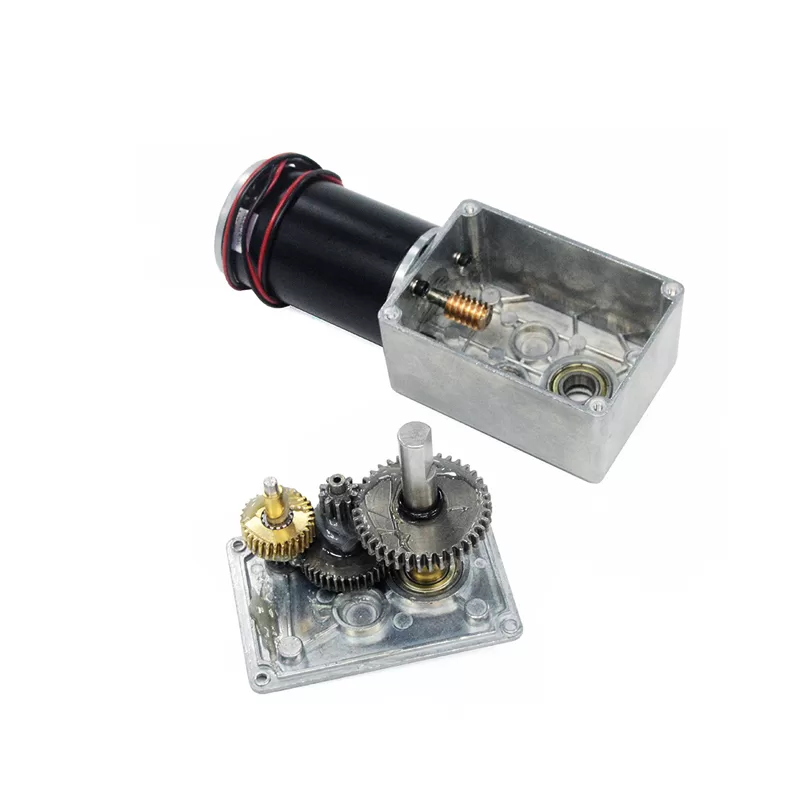
Our worm gear motor combines a worm shaft, worm wheel, drive motor, rigid housing, precision bearings, output shaft, dedicated lubrication, and multiple mounting interfaces to deliver compact, high‑torque performance.
- Worm Shaft: Threaded, screw-like shaft driven by the motor to start reduction.
- Worm Wheel: Helical gear that meshes with the worm to create high gear ratios.
- Drive Motor: AC, DC, or servo options matched to your power and control needs.
- Housing: Robust enclosure that aligns components and shields against contaminants.
- Bearings: Support rotating elements and minimize friction for longer life.
- Output Shaft: Delivers low-speed, high‑torque motion to the application.
- Lubrication: Oil/grease system that reduces wear and keeps efficiency high.
- Mounting Interfaces: Flange, foot, or shaft-mount options for easy installation.
By Input Type: Worm Gear Motor Options
Our worm gear motor portfolio supports both AC and DC input, giving you flexibility in voltage, torque delivery, control strategy, and operating environment.
DC Worm Gear Motor
- Power: Operates from 12–48V batteries or DC supplies
- Performance: Strong starting torque and responsive low‑speed control
- Control: Simple speed/direction tuning via voltage change or PWM
- Maintenance: Brushed models require periodic brush replacement; brushless options reduce upkeep
AC Worm Gear Motor
- Power: Runs on mains AC (e.g., 110V, 220V, 380V)
- Control: Speed adjustment via VFDs for precise, efficient regulation
- Performance: Stable torque output, ideal for continuous duty
- Maintenance: Generally lower maintenance than brushed DC systems
By Motor Type: Tailored Drives for Your Application
We build worm gear motors around four core drive technologies—brushed DC, brushless DC, stepper, and servo—so you can match torque delivery, control complexity, and precision to your exact use case.

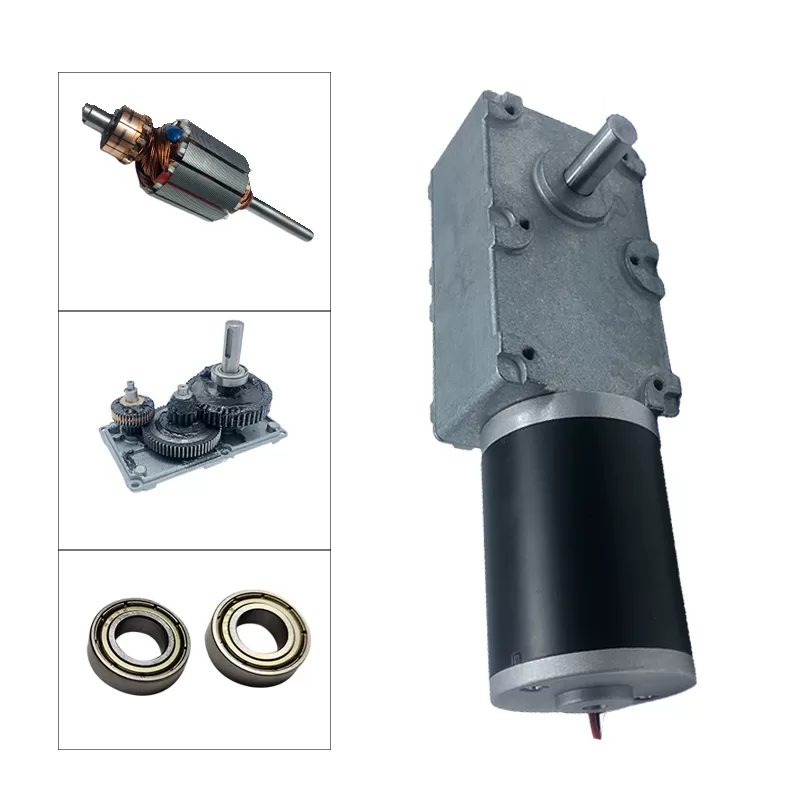
Brushed DC Motor + Worm Gear
What it is: Classic brushed rotor with a commutator, paired with a worm reducer.
Why it works: Delivers punchy startup torque and simple speed trimming.
Control style: Basic PWM or analog voltage—no complex electronics required.
Best fit: Compact actuators, hobby/educational devices, light-duty automation.
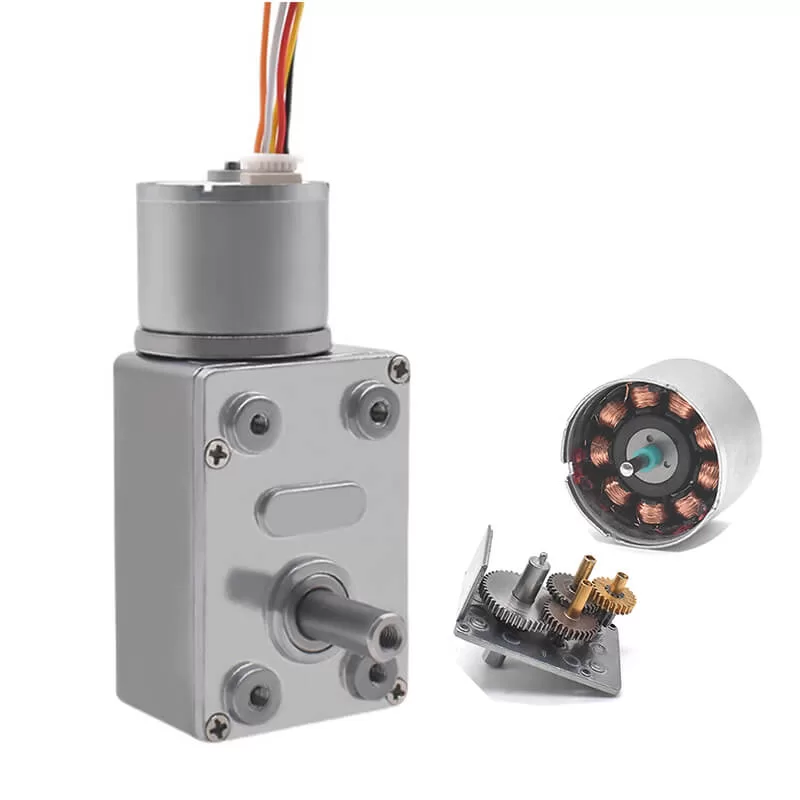
Brushless DC (BLDC) Motor + Worm Gear
What it is: Electronically commutated motor for clean, efficient power.
Why it works: High efficiency, low heat, and long service life with minimal upkeep.
Control style: BLDC driver/controller for smooth, quiet operation.
Best fit: Robotics joints, conveyor modules, medical and lab equipment.
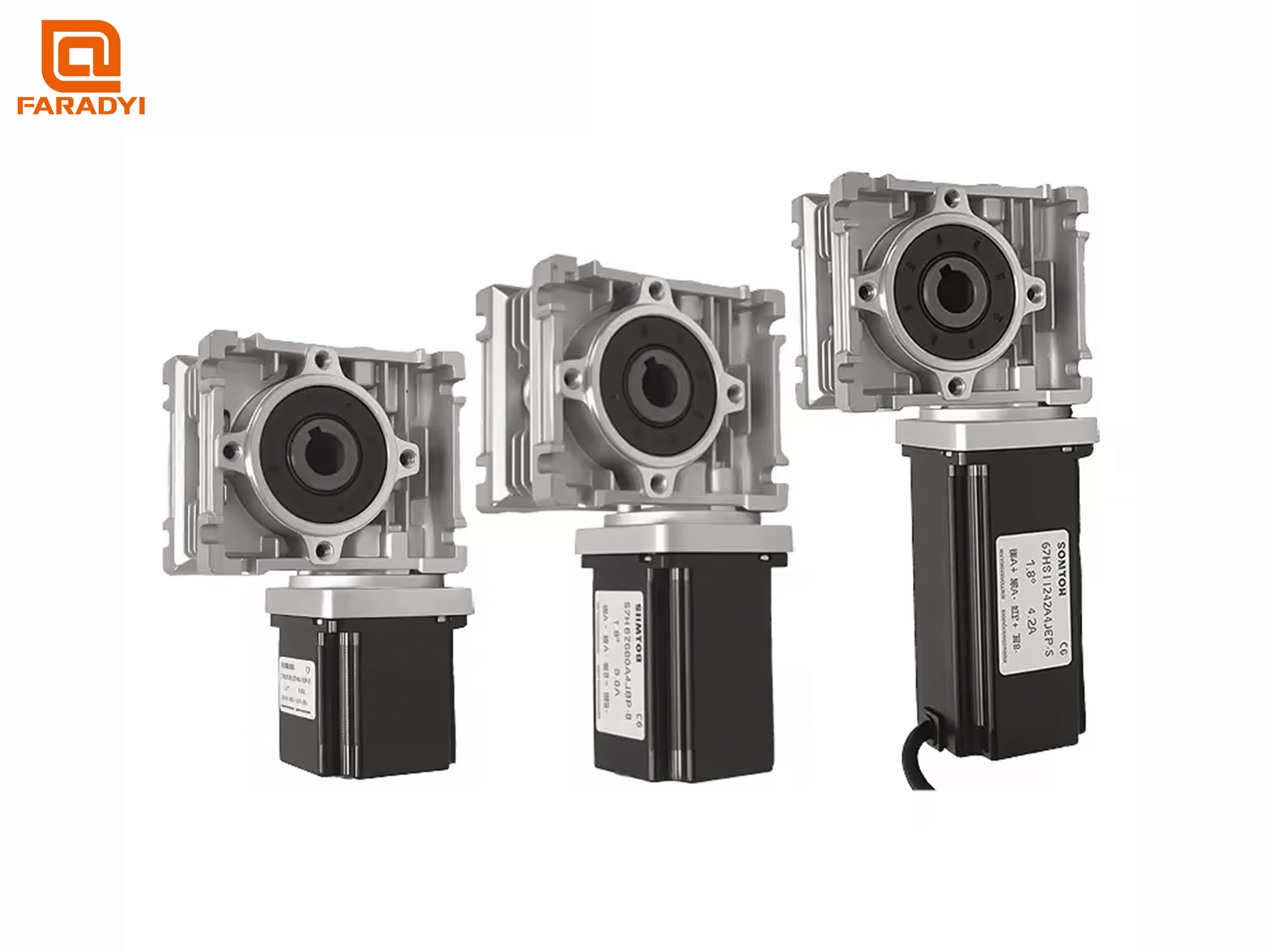
Stepper Motor + Worm Gear
What it is: Discrete step motion with the worm stage boosting holding capability.
Why it works: Excellent position retention; worm self-locking helps resist back-drive.
Control style: Open-loop drivers (or closed-loop hybrid for more speed/torque).
Best fit: Indexing tables, pick-and-place, dispensing, fixture positioning.
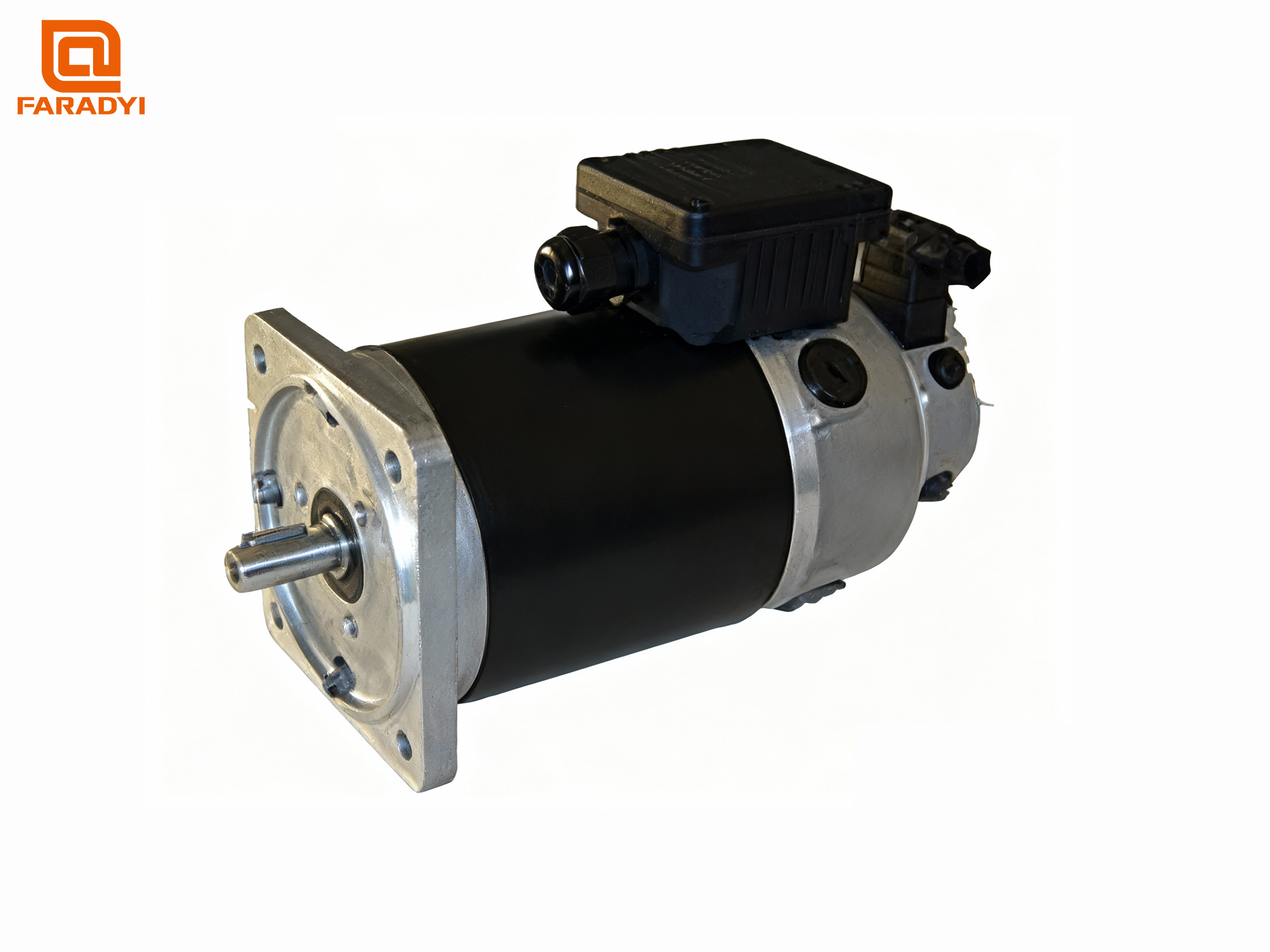
Servo Motor + Worm Gear
What it is: Feedback-driven AC or BLDC servo with encoder, mated to a worm reducer.
Why it works: Precise position, speed, and torque regulation with rapid dynamics.
Control style: Closed-loop servo drive with tuning for performance and stability.
Best fit: Robotics, CNC axes, packaging machinery, and high-demand motion profiles.
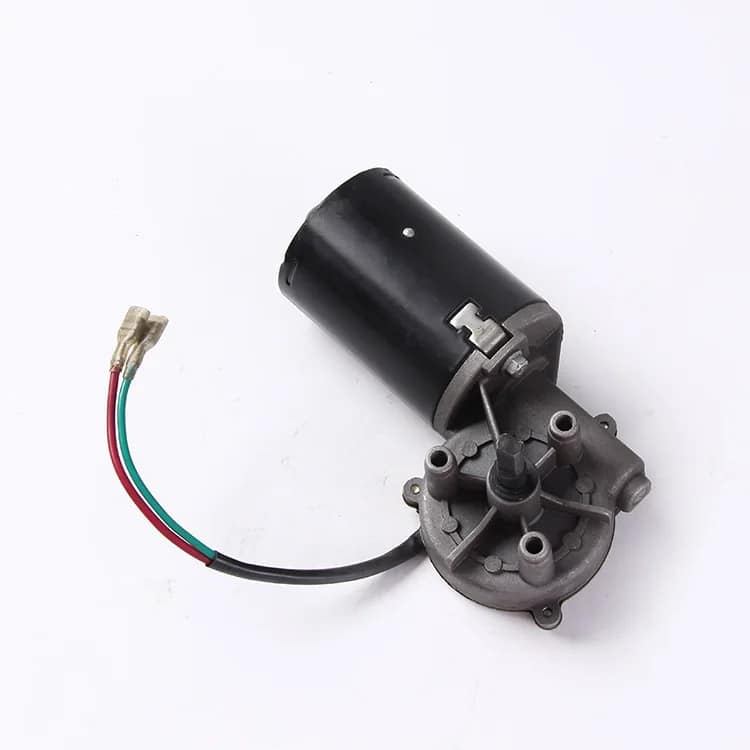
By Material: Engineered for Strength, Longevity, and Weight Savings
We select materials that balance torque capacity, wear life, corrosion resistance, and portability. Each component in the worm gear motor is matched to its job, ensuring reliable service across industrial, mobile, and specialty environments.
Worm (Screw) Materials
- Hardened Steel: High surface hardness and core strength for heavy-duty reducers. Ideal where shock loads and continuous service demand maximum durability.
- Alloy Steel: Heat-treated blends tuned for improved wear and toughness; a smart choice for mid‑to‑high torque with extended service intervals.
- Stainless Steel: Corrosion-resistant for wash‑down, food/medical, or outdoor use; maintains integrity in humid or chemical-laden environments.
Worm Gear (Wheel) Materials
- Bronze: The industry standard pairing with steel worms—naturally anti‑galling, low friction, and excellent wear characteristics for long mesh life.
- Brass: Cost-effective option for compact, light-duty units; suitable for moderate loads and intermittent duty cycles.
- Engineering Plastics (Nylon, POM/Delrin): Quiet operation with low inertia; best for low-load mechanisms, consumer devices, and applications where noise reduction is key.
Housing Materials
- Aluminum Alloy: Lightweight, corrosion-resistant, and thermally conductive. Perfect for portable systems, general-purpose installations, and improved heat dissipation.
- Cast Iron: Rigid and vibration-damping for industrial duty. Excels in fixed installations with high loads or harsh environments.
- Steel: Maximum structural strength and impact resistance; chosen when mechanical robustness or custom fabrication takes priority, acknowledging added weight.
Why this mix works
- Wear Pairing: Steel worm against bronze or engineered plastics minimizes friction and mitigates adhesive wear.
- Thermal Management: Aluminum housings shed heat efficiently; cast iron stabilizes under load and temperature swings.
- Application Fit: Stainless and plastics extend into specialty niches—wash-down, low noise, or weight-sensitive designs.
Faradyi Feature Worm Gear Motor
Control Systems You Can Combine With Worm Gear Motors
Pairing the right control system with a worm gear motor lets you tailor speed, torque, positioning, and safety to your application. Below are common options, how they work, and when to use them.
VFD (Variable Frequency Drive) — For AC Motors
- What it does: Adjusts input frequency and voltage to command motor speed and torque.
- Why it helps: Soft start/stop reduces mechanical shock; built-in overload, reverse, and brake features improve reliability.
- Best use: Conveyor lines, mixers, pumps, and general industrial drives needing flexible speed control without changing the gearbox.
PWM Controller (Pulse Width Modulation) — For DC Motors
- What it does: Varies duty cycle to set motor voltage and effective speed with high efficiency.
- Why it helps: Smooth low-speed performance and reduced heat compared to simple linear control.
- Best use: Battery-powered systems, compact automation, mobile robots, and cost-sensitive speed control.
PLC (Programmable Logic Controller)
- What it does: Orchestrates start/stop, speed setpoints, interlocks, and sequencing using ladder logic or function blocks.
- Why it helps: Industrial-grade reliability, easy integration of sensors, timers, and alarms, plus networked control (Modbus, Ethernet/IP).
- Best use: Production cells, packaging lines, material handling with multiple coordinated axes.
Microcontroller (e.g., STM32, ESP32, Arduino)
- What it does: Implements custom control loops and I/O handling for H-bridge drivers, PWM outputs, and sensor feedback.
- Why it helps: Low-cost, highly customizable; perfect for embedded products or prototypes.
- Best use: Compact devices, robotics modules, specialty mechanisms where bespoke control is required.
Encoders (Incremental or Absolute)
- What they do: Provide position and speed feedback; incremental offers relative counts, absolute gives exact position on power-up.
- Why they help: Enable closed-loop speed/position control, higher precision, and diagnostic data (direction, index).
- Best use: Servo + worm combinations, indexing, door/gate actuators, applications needing repeatable positioning.
Limit Switches
- What they do: Define travel endpoints, trigger homing, and provide hard-stop safety inputs.
- Why they help: Prevent overtravel and gear damage; simple, robust protection layer that works even if control logic fails.
- Best use: Linear actuators, gates, lifts, and any axis with physical end-of-travel constraints.
Recommended Integration Patterns
- AC + Worm: VFD for speed control, PLC for sequencing, limit switches for safety. Add encoder if precise speed/position is required.
- DC + Worm: PWM driver for efficient speed control, microcontroller for custom logic, limit switches for endpoints. Add current sensing for stall protection.
- Servo + Worm: Servo drive with encoder feedback for high-precision motion; PLC or motion controller coordinates moves and handles interlocks.
Practical Tips
- Start profiles: Use ramp-up/ramp-down to reduce wear on worm meshes.
- Back-drive considerations: Worm stages may be self-locking; verify whether you need a brake or position hold when unpowered.
- Thermal management: High reduction ratios and low-speed operation can increase heat; choose appropriate cooling and duty cycle.
- Noise and EMI: Shield encoder leads and separate power/control wiring to improve signal integrity.
FAQ: Worm Gear Motor Fundamentals
Q1: How does gear ratio affect operation?
- Core effect: A higher gear ratio multiplies output torque while dividing output speed. A lower ratio does the opposite—more speed, less torque.
- Practical outcomes:
- High ratios: Better for lifting, holding, and fine positioning; improved low-speed controllability; typically lower back-drivability.
- Low ratios: Better for rapid travel and higher throughput; reduced holding torque; may need additional braking for position retention.
- Trade-offs to consider:
- Efficiency: Very high reductions can add sliding losses in worm meshes.
- Thermal: Higher ratios at the same input power can increase heat; ensure adequate cooling.
- Resolution: With encoders, higher ratios increase mechanical resolution at the load.
Q2: What does the worm gear set do in a worm gear motor?
- Function: The worm (driven by the motor) engages the worm wheel to step down speed and boost torque through angled, sliding contact.
- Key advantages:
- Compact reduction: Achieves large ratios in a single stage.
- Self-locking potential: Depending on lead angle and friction, the output resists back-drive.
- Smooth motion: Continuous engagement yields quiet operation and damped vibration.
- Design notes:
- Material pairing (steel worm/bronze wheel) manages wear and friction.
- Lubrication is critical to minimize heat and extend life.
Q3: What sets a helical worm gear motor apart?
- Hybrid architecture: A helical stage paired with a worm stage combines the high efficiency and smoothness of helical gears with the high ratio and potential self-locking of worms.
- Benefits:
- Better efficiency than single-stage worm alone.
- Quieter, smoother running with improved load capacity.
- Flexible ratios: Helical pre-stage allows moderate reductions before the worm’s high reduction.
- Use cases: Precise positioning, conveyors needing compact drives, machinery that values quiet and high torque in a small footprint.
Q4: Why choose a high-torque worm gear motor for industry?
- Performance gains:
- Handles heavy loads, start-up shocks, and sustained duty cycles.
- Enables controlled low-speed motion with stable holding capability.
- Supports compact layouts by achieving big reductions in minimal space.
- Reliability factors:
- Robust materials and proper lubrication reduce wear under high contact stresses.
- Potential self-locking cuts need for external brakes in many applications.
- Applications: Lifts/hoists, indexing tables, mixers, packaging lines, gates, and positioners where torque density and predictable control are essential.
Submit a Quick Quote
Don't Take Our Word for It - See What Customers Say
We strive to provide exceptional products and service. If you are satisfied with your experience, we would greatly appreciate you taking a moment to leave us a review