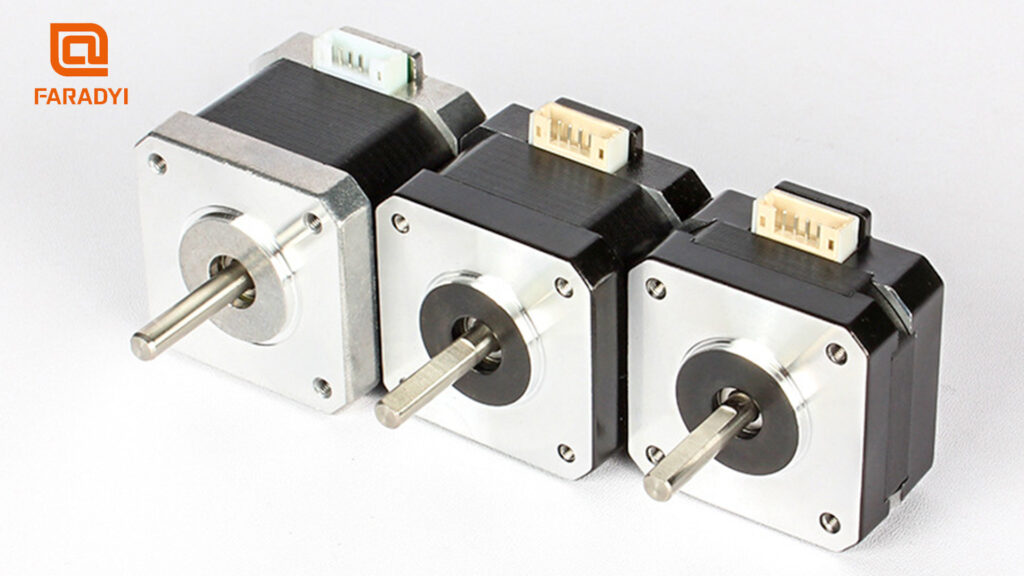
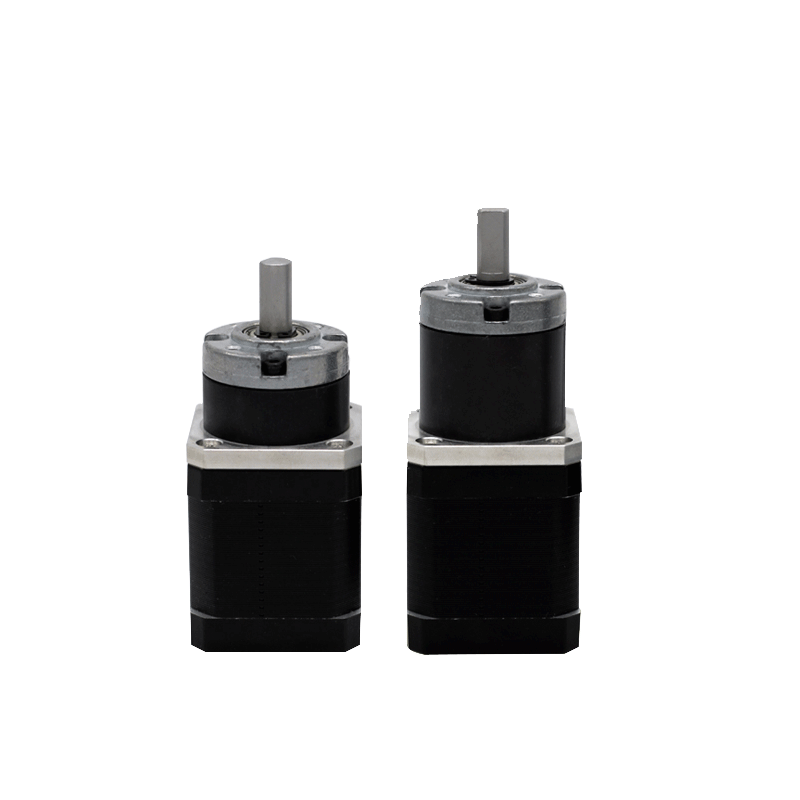
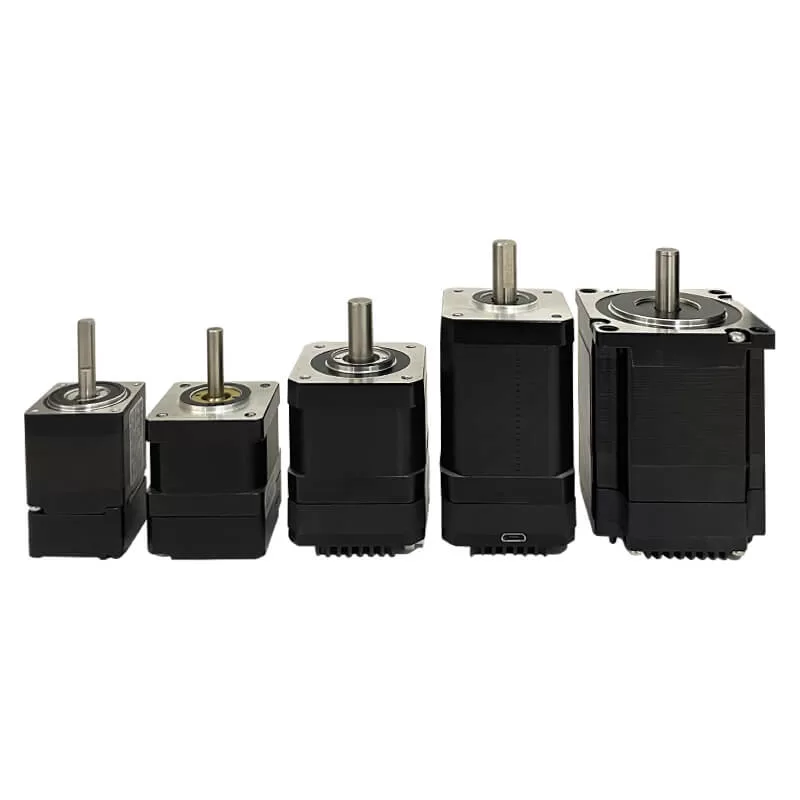
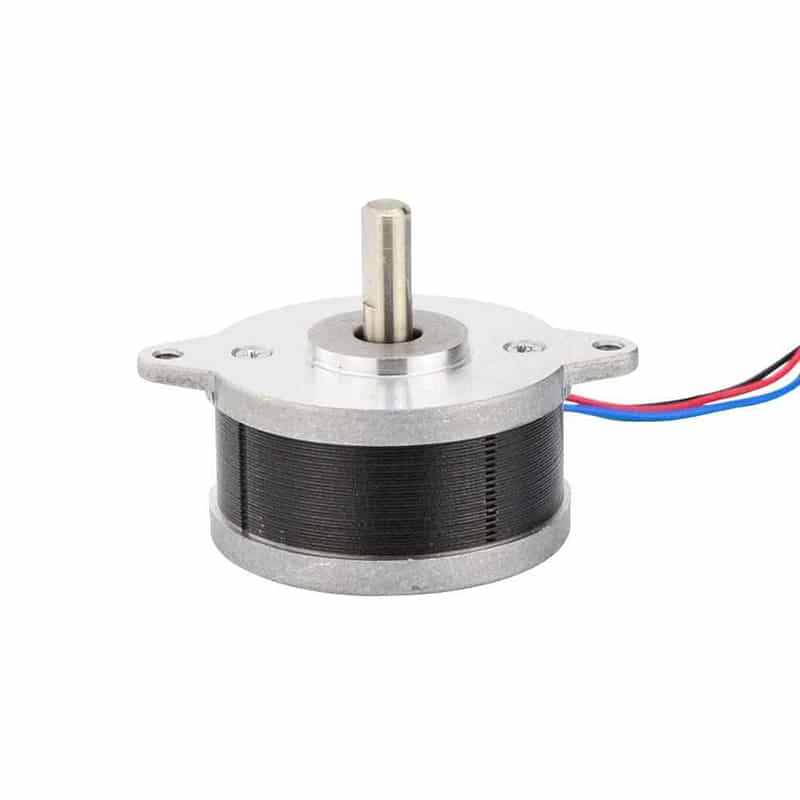
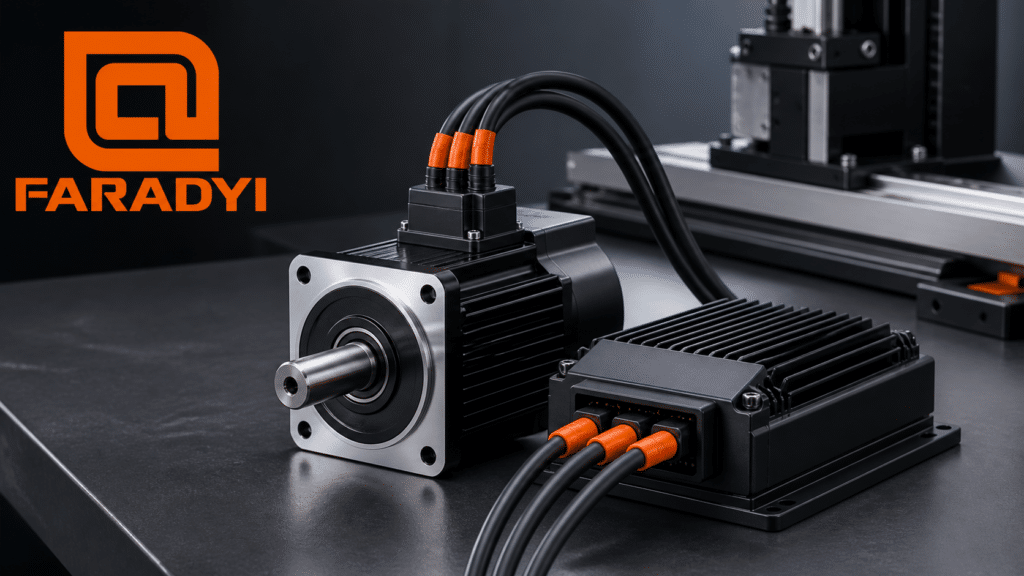
Introduction to the Three-Phase Hybrid Stepper Motor
The Bottom Line (Key Takeaway): A three-phase hybrid stepper motor is a highly efficient induction motor that utilizes electronic circuits to convert DC power into a time-sharing power supply. By using a multi-phase sequence controller (driver), it effectively manages current timing to power the motor. Compared to a standard two-phase motor, the three-phase design offers significantly higher resolution, lower noise, and greater torque synthesis, making it an excellent upgrade for high-precision positioning tasks.
Advantages and Disadvantages at a Glance
To simplify your engineering selection process, here is a structured comparison of the pros and cons of using a three-phase hybrid stepper motor:
Category
Key Technical Characteristics
Core Advantages
Higher Resolution: The resolution is 1.5 times that of a two-phase stepper motor, enabling ultra-precise position determination.
Greater Torque: Featuring 6 stator main poles, the cross-linkage flux is large. The torque synthesis efficiency during excitation is significantly better than two-phase variants.
Efficient Circuitry: Can be wired in Y or △ (Delta) connections. It uses only 3 terminals and 6 power tubes (compared to the 8 power tubes needed for a two-phase motor).
Lower Vibration & Noise: The three-phase structure naturally offsets the 3rd harmonic of the excitation current, resulting in much smoother and quieter operation.
Reduced Cogging Torque: The cogging torque operates on the 6th harmonic (unlike the 4th harmonic in two-phase motors), meaning the physical cogging effect is noticeably smaller.
Technical Disadvantages
Structural Complexity: If designed with 12 main poles, the internal mechanical structure becomes noticeably more complicated than the standard 8-pole two-phase motor.
Synchronization Loss Under Overload: Like all open-loop steppers, if the physical load exceeds the motor’s capacity, synchronization will be destroyed, leading to severe vibration and noise at high speeds (losing steps).
Engineering Verdict
If your automation project requires ultra-smooth low-speed performance, minimal vibration, and higher precision than what standard two-phase motors can offer, upgrading to a three-phase hybrid stepper motor is a highly recommended and cost-effective strategy. Just ensure your mechanical load calculations are accurate to prevent high-speed synchronization loss.