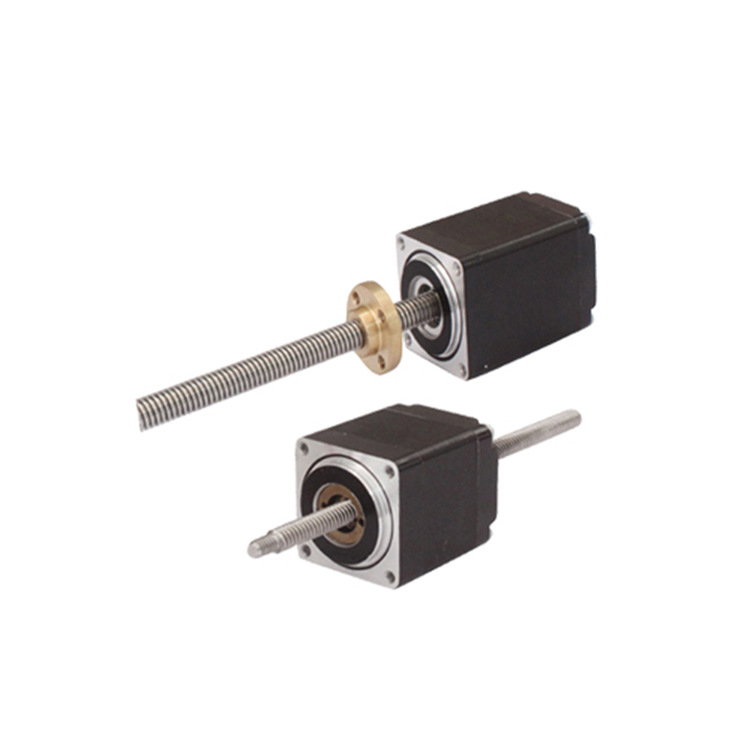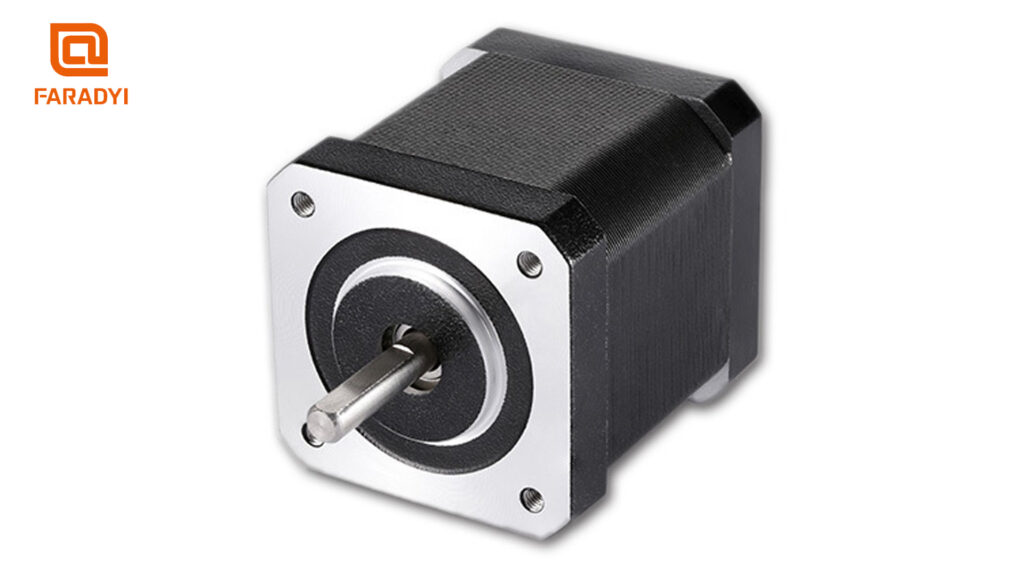
Introduction to the Two-Phase Hybrid Stepper Motor
The Bottom Line (Key Takeaway): A two-phase hybrid stepper motor is a cost-effective open-loop control motor that converts electrical pulses into precise linear or angular displacements. Due to its high standard resolution (1.8°), it serves as a fundamental executive element in modern digital program control systems. To help you integrate it successfully, below is a structured technical analysis of its major advantages and inherent limitations.
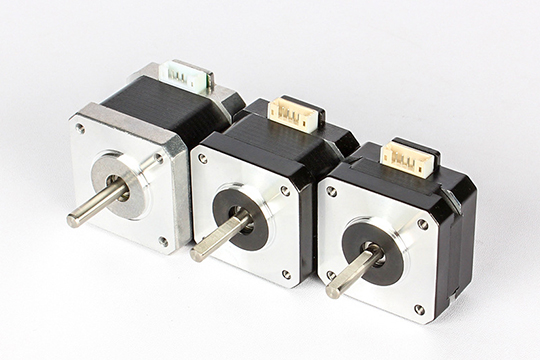 Advantages and Disadvantages Compared
Below is a detailed engineering comparison of two-phase vs. multi-phase hybrid stepper motors:
| Feature / Metric | Two-Phase Hybrid Stepper Motor | Multi-Phase Hybrid Stepper Motor |
|---|---|---|
| 1. System Costs & Complexity | Low cost. Utilizes fewer driving power tubes, simplifies circuit design, and has widely available components. | Higher cost. Complex driver design requiring a large number of components and more complex circuitry. |
| 2. Precision & Low-Speed Operation | Lower resolution. Standard step angle is usually 1.8°. Experienced significant vibrations and resonance issues at low speeds. | Higher resolution. Smaller step angle. Runs smoother with less vibration and resonance at low speeds. |
| 3. High-Speed Performance & Torque | Smaller high-speed torque. Higher winding impedance makes it less efficient at higher speeds. | Higher high-speed torque. Lower coil impedance maintains better torque output as speed increases. |
| 4. Application Range & Noise | Ideal for standard, cost-sensitive automation. Louder noise at high-speed operation. | Best for precision and high-performance applications. Less noise at high speeds. |
4 Key Advantages for Automated Systems
Despite their limitations, two-phase hybrid stepper motors remain a preferred choice for countless engineering applications because:
Incredibly High Resolution and Precision: General-purpose two-phase motors provide a standard step angle of 1.8°, allowing precise angular displacement control directly from a pulse signal.
Generates High Holding Torque: This makes them an ideal motion control executive element for applications requiring reliable position holding even at rest.
Optimized Cost-to-Performance Ratio: Although they can utilize a large quantity of components, the driving power tubes are significantly cheaper and more widely used than multi-phase options, resulting in an overall lower system cost.
Simple and Widely Used Technology: This motor is a cornerstone executive element in modern program control systems due to its robust, straightforward design.
4 Common Technical Disadvantages
To optimize your design, you must engineer solutions around these inherent disadvantages:
Large Vibrations and Low-Speed Resonance: Vibration issues are prominent, particularly during low-speed operation, with a high likelihood of resonance occurring around 60 RPM.
High Noise at Elevated Speeds: The simple design leads to loud mechanical noise when operated at higher angular velocities.
Large Torque Fluctuations During Half-Step: Compared to multi-phase hybrid stepper motors, the torque fluctuation is significantly larger (approximately 1:1.14) when operating in half-step mode.
Poor Torque Output at High Speed: For motors with identical step angles, the two-phase version has a large coil impedance, causing the torque to drop rapidly as the speed increases.