PM Motor vs Induction Motor: Efficiency and Performance
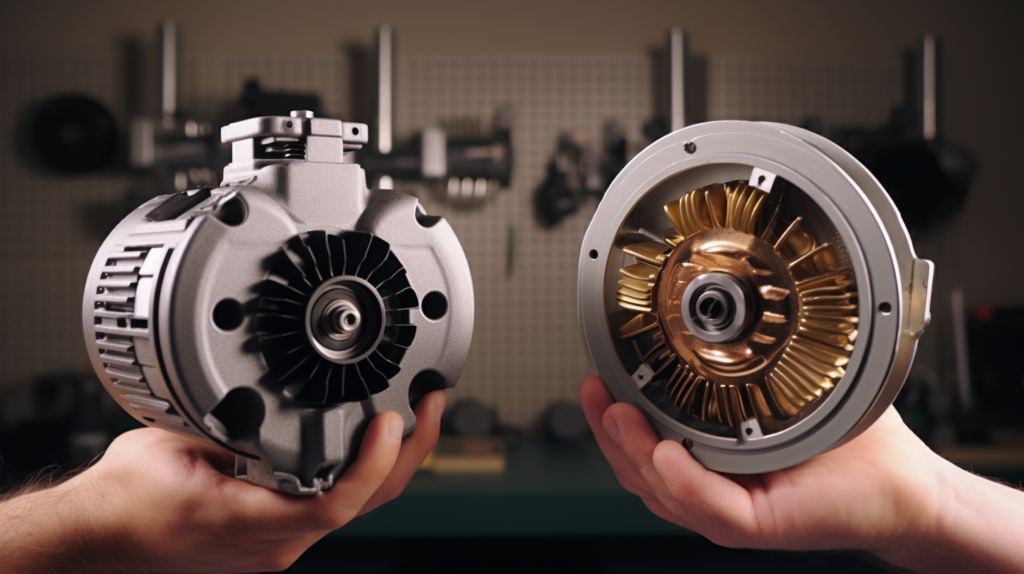
The choice between a permanent magnet (PM) motor and induction motor is crucial for many applications requiring high efficiency and performance. With electrification accelerating across industries, understanding the key differences between these two motor types is critical. For a concise induction motor vs permanent magnet motor comparison, consider how design and control strategies affect real-world efficiency, responsiveness, and system integration.
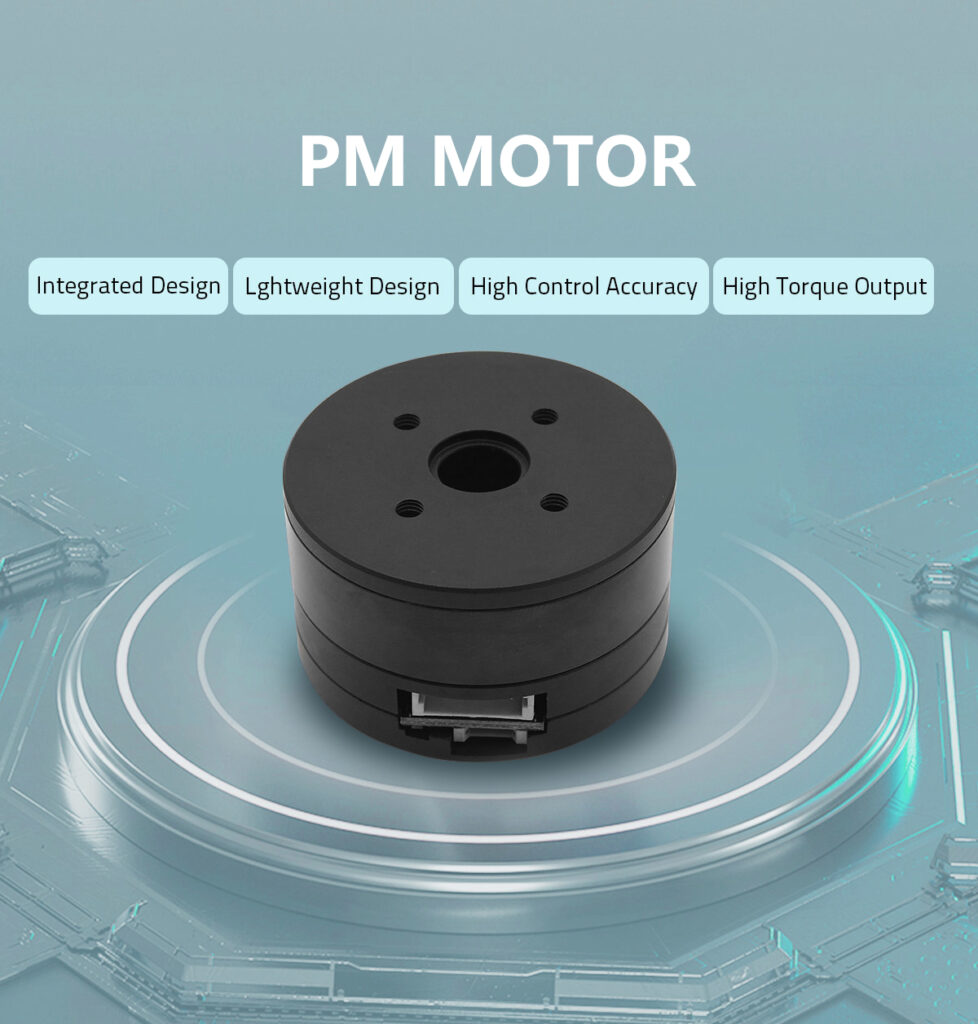
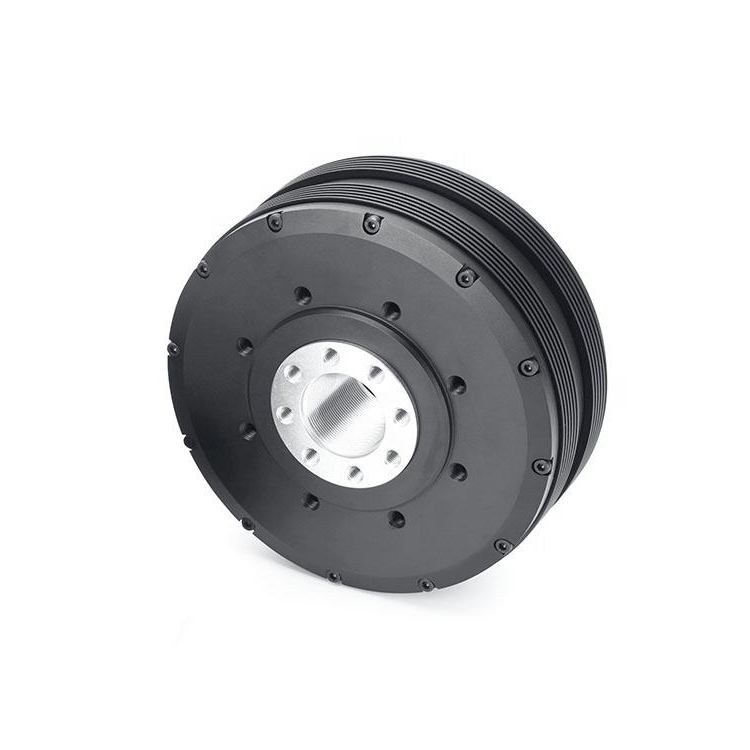
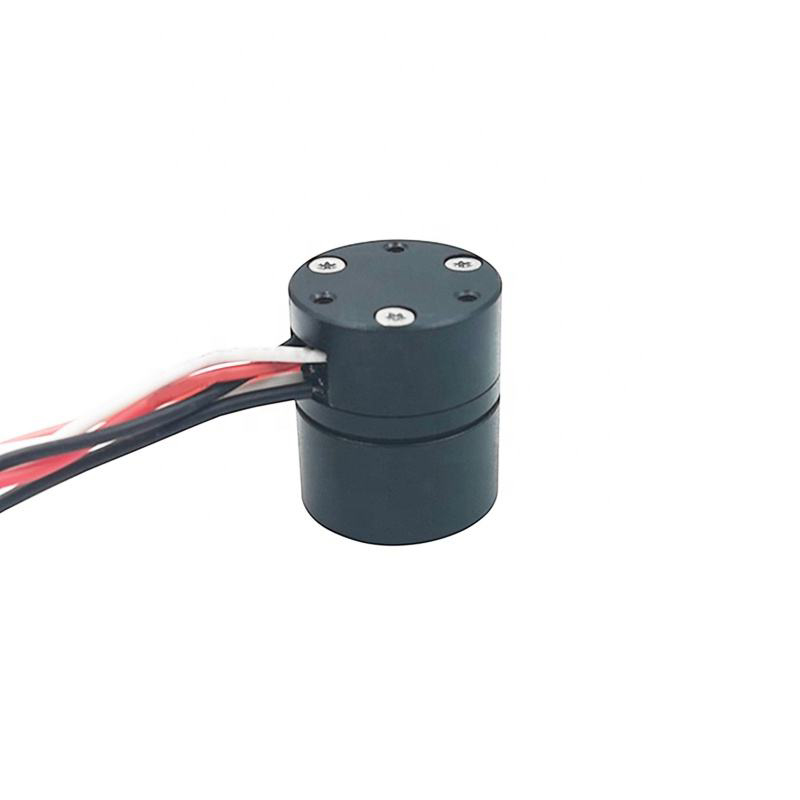
PM motors offer higher efficiency and torque density compared to induction motors. However, induction motors have historically been more widely available and cost-effective. Recent advances in PM materials like neodymium magnets have made PM motors more viable for a range of uses.
Let’s compare PM and induction motors on factors like efficiency, torque production, speed control, cost, and materials. Engineers often frame this as an induction vs permanent magnet motor decision, balancing performance, materials, and lifetime cost.
PMモーターの効率とトルク密度の利点
-
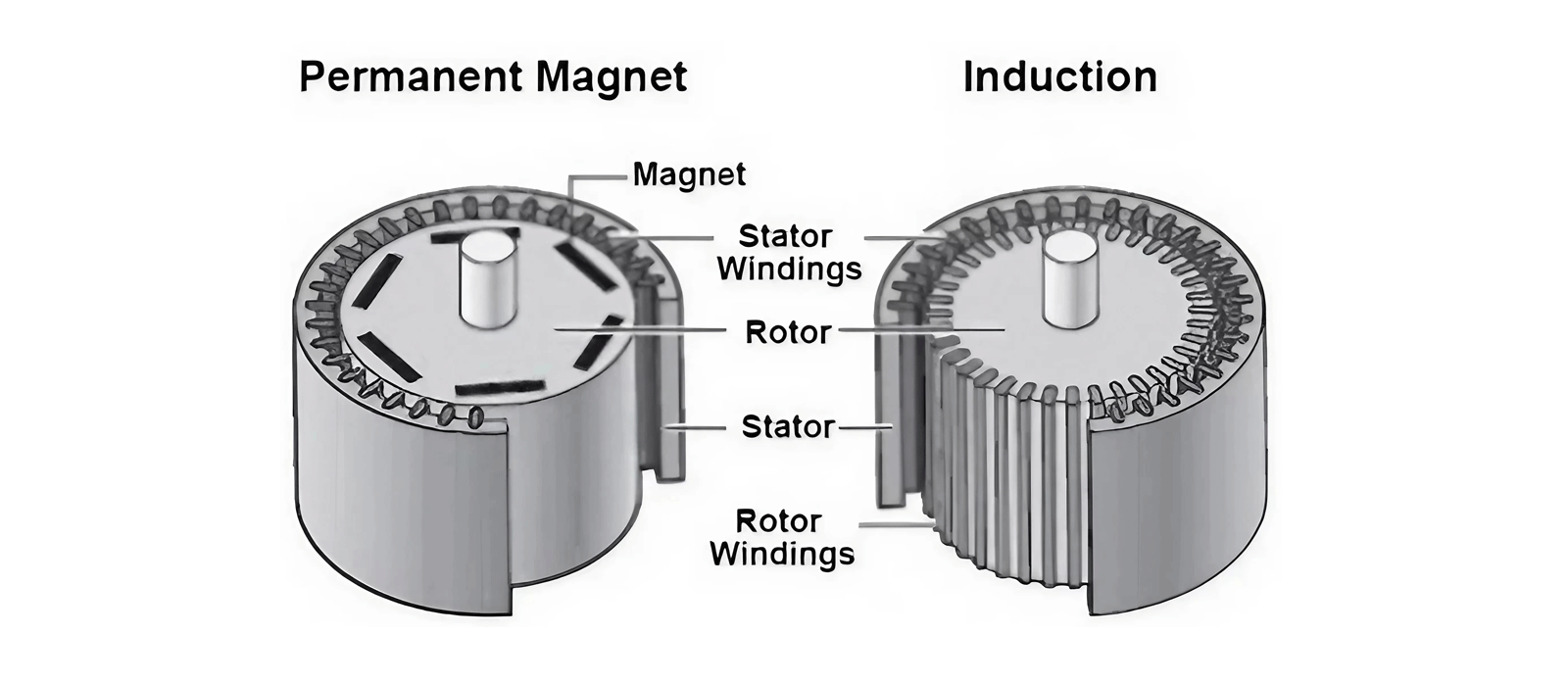
- PM モーターは本質的に同期動作をするため、ローターとステーター間の遅延がなくなります。これにより、最大 97.5% の効率定格が可能になります。
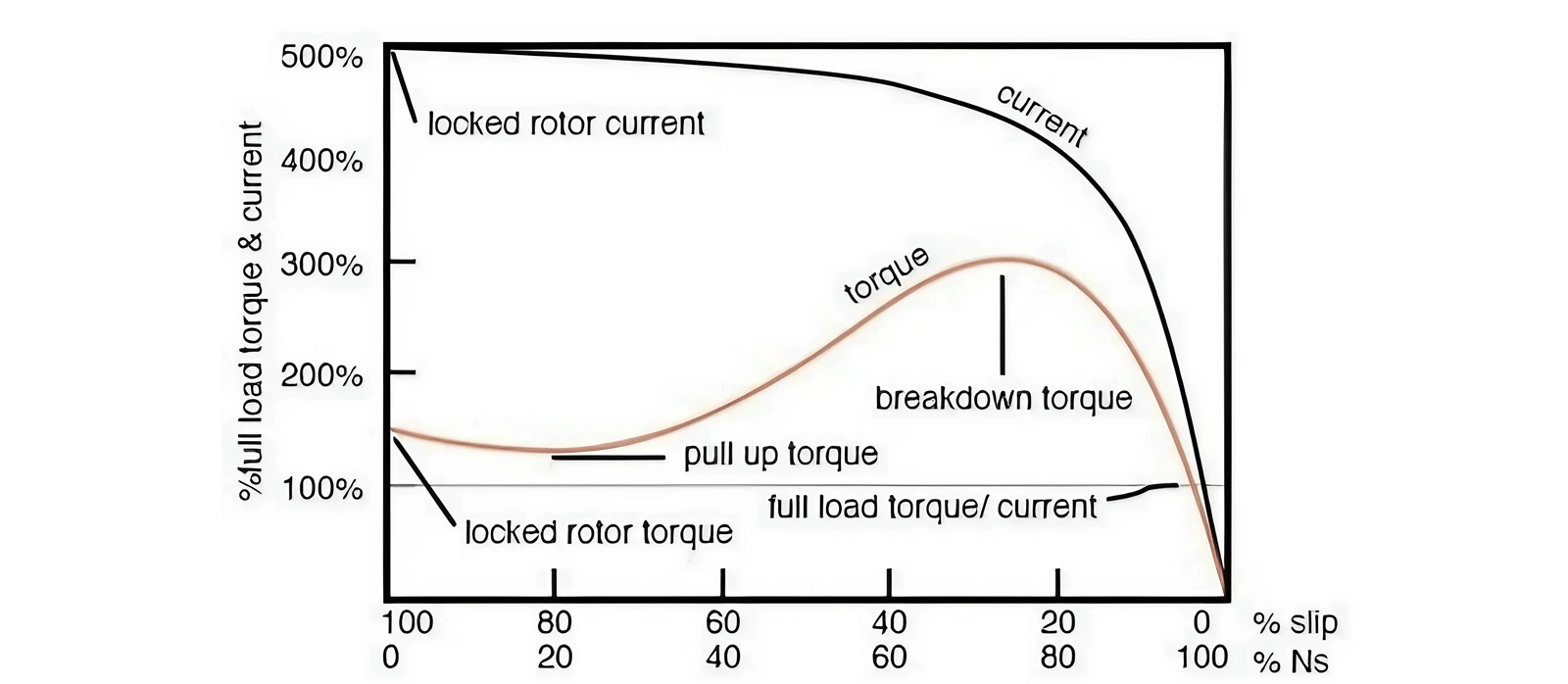
- Induction motors are typically limited to 90-93% efficiency due to required slippage between applied stator current and the resulting rotor field.
- PM motors offer higher torque density — more torque per weight. A 50 kW PM motor weighs under 30 lbs versus a 75 HP induction motor over 500 lbs.
速度制御と周波数
- PM モーターは適用された周波数で同期して動作し、正確な可変速度制御を可能にします。
- Induction motors cannot reach synchronous speed due to required slippage. At 60 Hz, ~5% speed loss limits speed control flexibility.
コストの考慮
- ネオジムなどの PM モーター磁石は高価です。粉末金属を使用してコストを相殺する機会があります。
- 誘導モーターは、入手しやすいシリコン鋼積層板を使用しているため、コストが抑えられます。
材料と製造
- PM ローターとステーターは粉末金属にすることができ、積層の無駄を回避できます。軟磁性複合材 (SMC) により、高周波での損失を低減できます。
- 誘導モーターの回転子と固定子には、従来、積層シリコン鋼が使用されています。
- 粉末金属により 3D 成形が可能になり、PM モーターのエンドターン損失が排除されます。効率がさらに向上します。
結論:
PM モーターは、効率が高く、速度制御が正確で、軽量であるため、EV、バッテリー ツール、可変速ドライブなどの用途では誘導モーターよりも優れています。粉末金属の使用により、PM モーターの性能とコスト効率が向上します。PM 材料の最近の進歩により、PM モーターは、電化を推進する業界全体で誘導モーターの代替品として実用化されています。
Q&A
Question: Why are PM motors typically more efficient than induction motors?
Short answer: PM motors run synchronously with the applied frequency, so there’s no rotor–stator lag (slip). This inherent synchronous operation enables efficiencies up to 97.5%. In contrast, induction motors require slip to induce rotor current, which limits them to about 90–93% efficiency.
Question: How do torque density and weight compare between PM and induction motors?
Short answer: PM motors deliver higher torque per unit weight. As an example from the text, a 50 kW PM motor can weigh under 30 lbs, whereas a 75 HP induction motor can exceed 500 lbs, highlighting the much higher torque density of PM designs.
Question: How does slip affect speed control in induction motors versus PM motors?
Short answer: PM motors operate exactly at the applied electrical frequency, enabling precise variable speed control. Induction motors never reach synchronous speed due to necessary slip; at 60 Hz this can produce about a 5% speed loss, reducing speed control precision and flexibility.
Question: What are the key cost considerations for PM and induction motors?
Short answer: PM motors use magnets like neodymium, which add cost; however, powder metal approaches can help offset this. Induction motors rely on widely available laminated silicon steel, which generally keeps their costs lower and availability higher.
Question: How do materials and manufacturing choices impact performance, and where are PM motors a strong fit?
Short answer: PM rotors and stators can be made with powder metal and soft magnetic composites (SMCs), reducing lamination waste, lowering high-frequency losses, and enabling 3D geometries that eliminate end-turn losses—boosting efficiency. These advantages make PM motors especially compelling for EVs, battery-powered tools, and variable speed drives where high efficiency, precise control, and low weight are priorities.