PM Motor vs Induction Motor: Efficiency and Performance
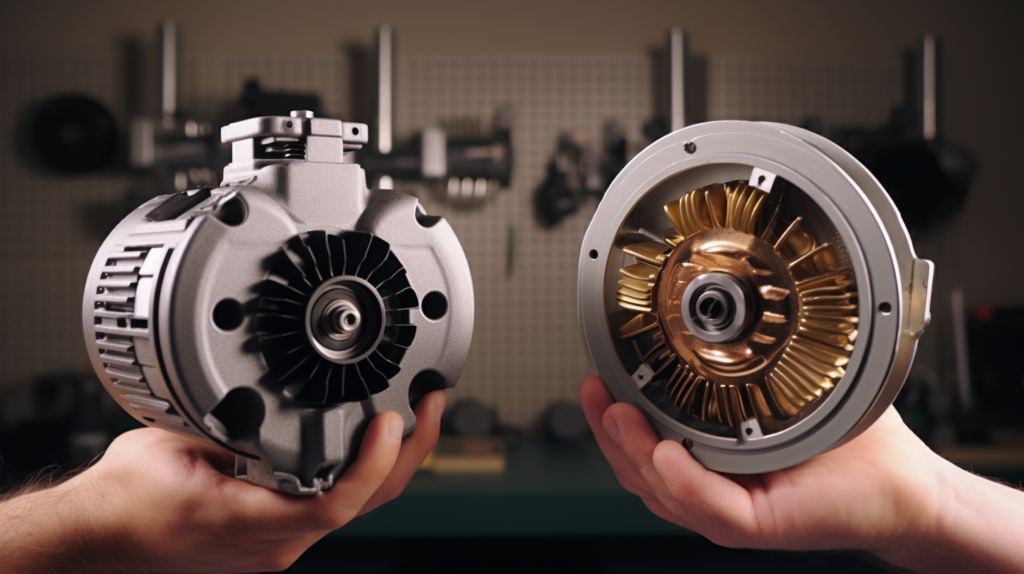
The choice between a permanent magnet (PM) motor and induction motor is crucial for many applications requiring high efficiency and performance. With electrification accelerating across industries, understanding the key differences between these two motor types is critical. For a concise induction motor vs permanent magnet motor comparison, consider how design and control strategies affect real-world efficiency, responsiveness, and system integration.
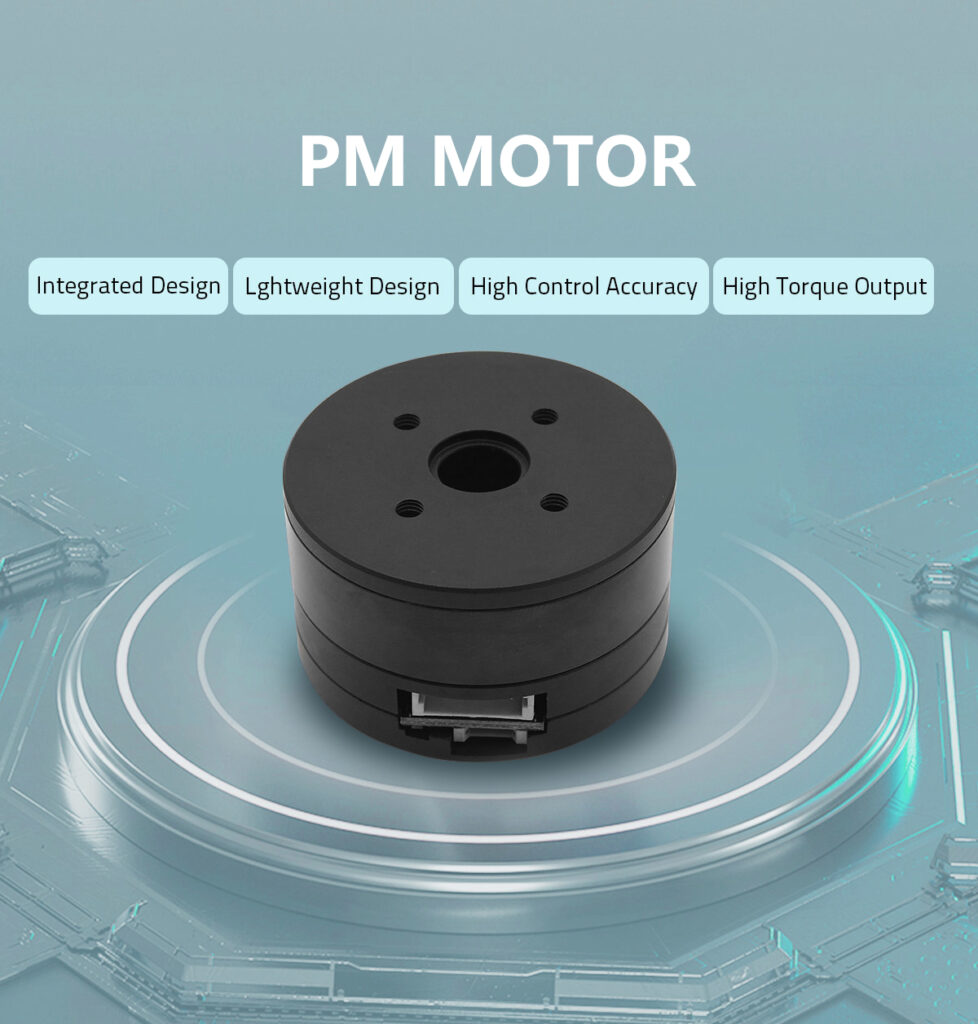
PM motors offer higher efficiency and torque density compared to induction motors. However, induction motors have historically been more widely available and cost-effective. Recent advances in PM materials like neodymium magnets have made PM motors more viable for a range of uses.
Let’s compare PM and induction motors on factors like efficiency, torque production, speed control, cost, and materials. Engineers often frame this as an induction vs permanent magnet motor decision, balancing performance, materials, and lifetime cost.
PM 모터의 효율 및 토크 밀도 장점
-
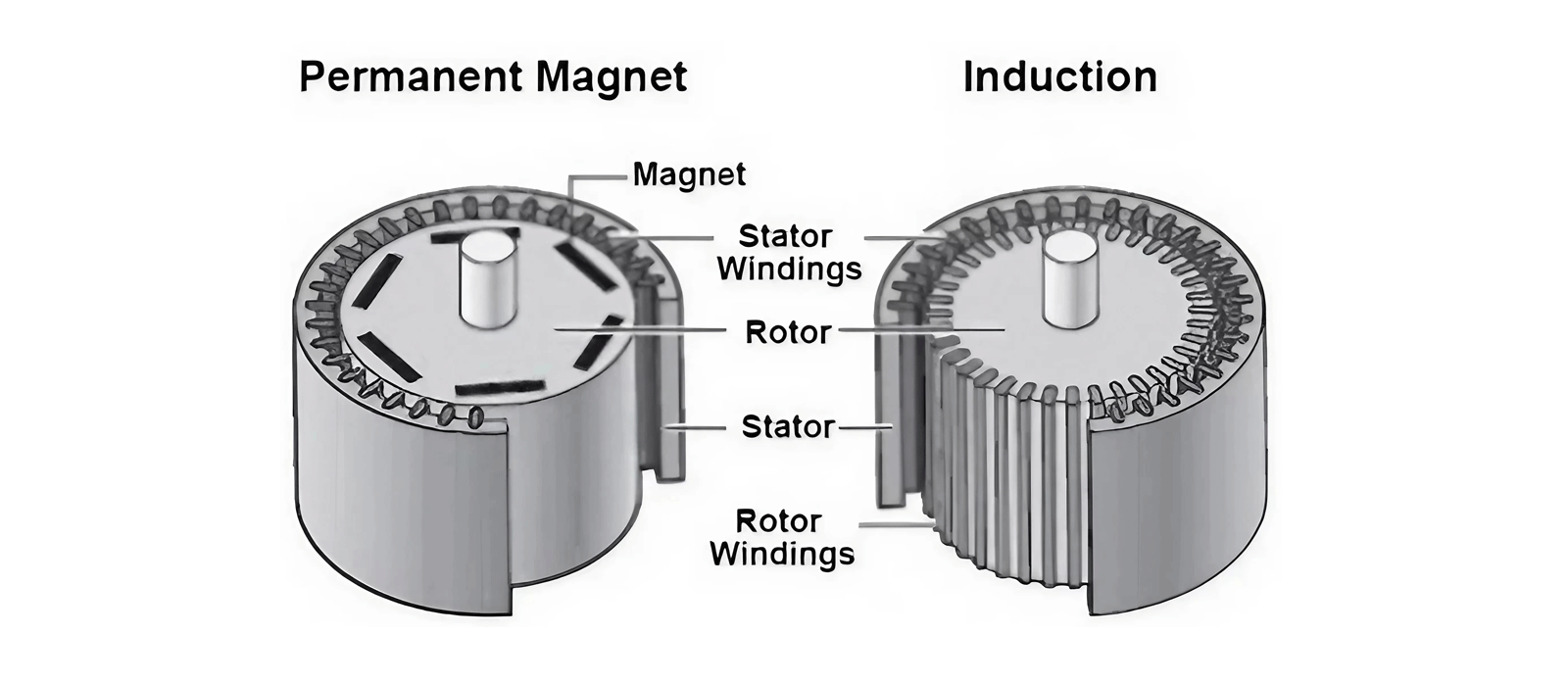
- PM 모터는 동기식 작동 방식을 채택하여 회전자와 고정자 간의 지연을 제거합니다. 이를 통해 최대 97.5%의 효율 등급을 달성할 수 있습니다.
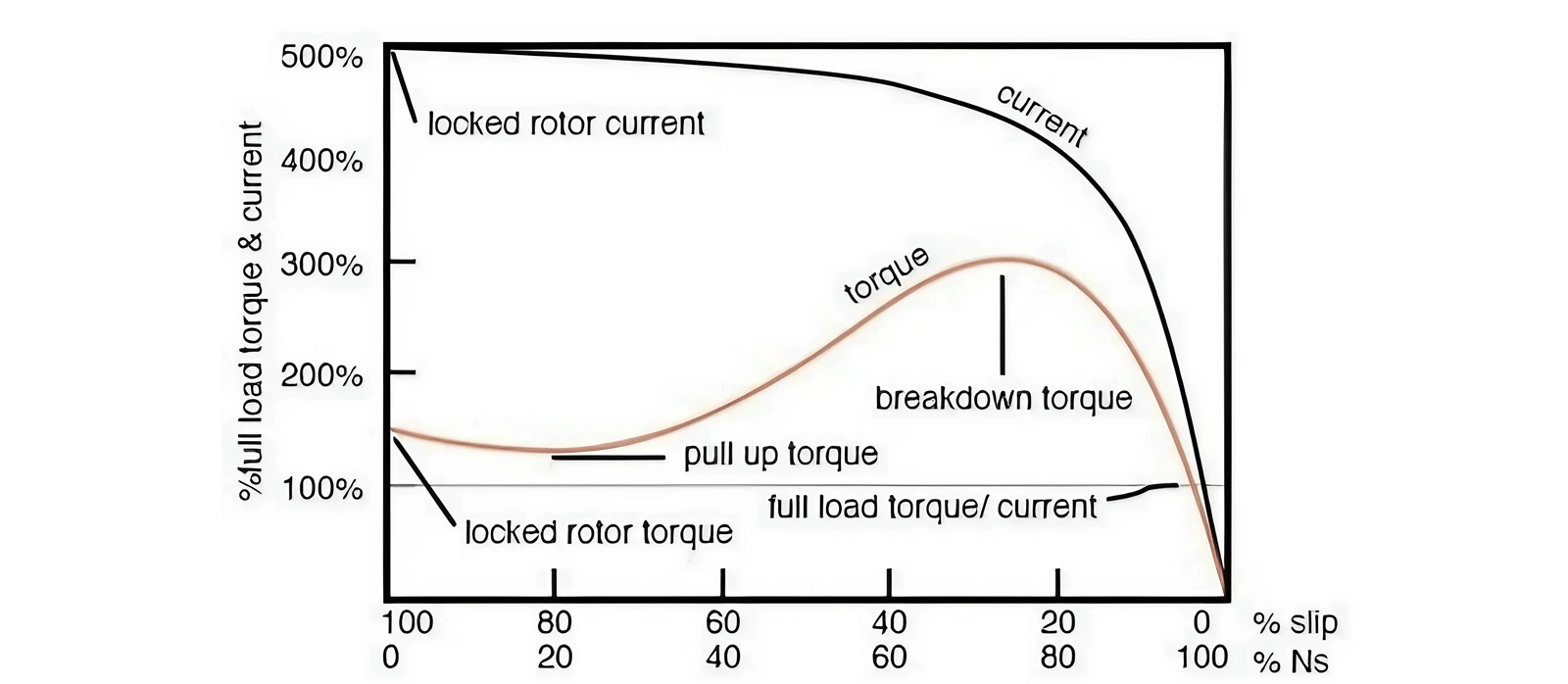
- Induction motors are typically limited to 90-93% efficiency due to required slippage between applied stator current and the resulting rotor field.
- PM motors offer higher torque density — more torque per weight. A 50 kW PM motor weighs under 30 lbs versus a 75 HP induction motor over 500 lbs.
속도 제어 및 주파수
- PM 모터는 적용된 주파수에서 동기적으로 작동하므로 정밀한 가변 속도 제어가 가능합니다.
- Induction motors cannot reach synchronous speed due to required slippage. At 60 Hz, ~5% speed loss limits speed control flexibility.
비용 고려 사항
- 네오디뮴과 같은 PM 모터 자석은 가격이 더 비쌉니다. 분말 금속을 사용하여 비용을 상쇄할 수 있는 기회입니다.
- 유도 전동기는 쉽게 구할 수 있는 실리콘 강철 적층재를 사용하여 비용을 절감합니다.
재료 및 제조
- PM 로터와 스테이터는 분말 금속으로 제작되어 적층 낭비를 방지할 수 있습니다. 연자성 복합재(SMC)는 고주파에서 손실을 낮출 수 있습니다.
- 유도 전동기의 회전자와 고정자는 전통적으로 적층 실리콘 강철을 사용합니다.
- 분말 금속을 사용하면 3D 형상을 구현하여 PM 모터의 회전 손실을 줄일 수 있습니다. 효율이 더욱 향상됩니다.
결론:
더 높은 효율, 정밀한 속도 제어, 그리고 더 가벼운 무게를 갖춘 PM 모터는 전기 자동차, 배터리 공구, 가변속 드라이브와 같은 분야에서 유도 모터보다 우수합니다. 분말 금속을 사용하면 PM 모터의 성능과 비용 효율성이 향상됩니다. 최근 PM 소재의 발전으로 인해 전기화를 추구하는 모든 산업 분야에서 PM 모터가 유도 모터를 대체할 수 있는 유력한 대안이 되고 있습니다.
Q&A
Question: Why are PM motors typically more efficient than induction motors?
Short answer: PM motors run synchronously with the applied frequency, so there’s no rotor–stator lag (slip). This inherent synchronous operation enables efficiencies up to 97.5%. In contrast, induction motors require slip to induce rotor current, which limits them to about 90–93% efficiency.
Question: How do torque density and weight compare between PM and induction motors?
Short answer: PM motors deliver higher torque per unit weight. As an example from the text, a 50 kW PM motor can weigh under 30 lbs, whereas a 75 HP induction motor can exceed 500 lbs, highlighting the much higher torque density of PM designs.
Question: How does slip affect speed control in induction motors versus PM motors?
Short answer: PM motors operate exactly at the applied electrical frequency, enabling precise variable speed control. Induction motors never reach synchronous speed due to necessary slip; at 60 Hz this can produce about a 5% speed loss, reducing speed control precision and flexibility.
Question: What are the key cost considerations for PM and induction motors?
Short answer: PM motors use magnets like neodymium, which add cost; however, powder metal approaches can help offset this. Induction motors rely on widely available laminated silicon steel, which generally keeps their costs lower and availability higher.
Question: How do materials and manufacturing choices impact performance, and where are PM motors a strong fit?
Short answer: PM rotors and stators can be made with powder metal and soft magnetic composites (SMCs), reducing lamination waste, lowering high-frequency losses, and enabling 3D geometries that eliminate end-turn losses—boosting efficiency. These advantages make PM motors especially compelling for EVs, battery-powered tools, and variable speed drives where high efficiency, precise control, and low weight are priorities.