PM Motor vs Induction Motor: Efficiency and Performance
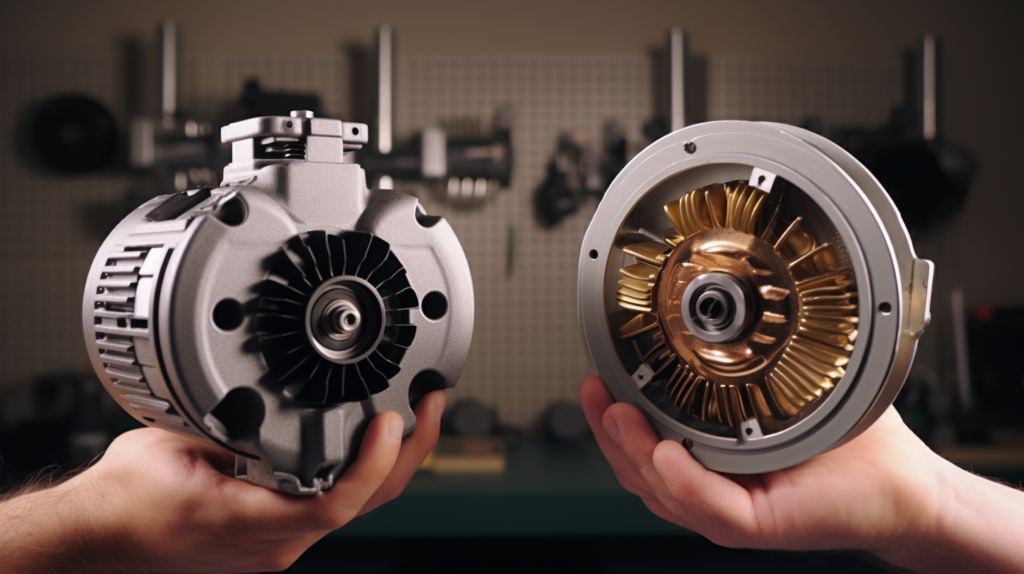
The choice between a permanent magnet (PM) motor and induction motor is crucial for many applications requiring high efficiency and performance. With electrification accelerating across industries, understanding the key differences between these two motor types is critical. For a concise induction motor vs permanent magnet motor comparison, consider how design and control strategies affect real-world efficiency, responsiveness, and system integration.
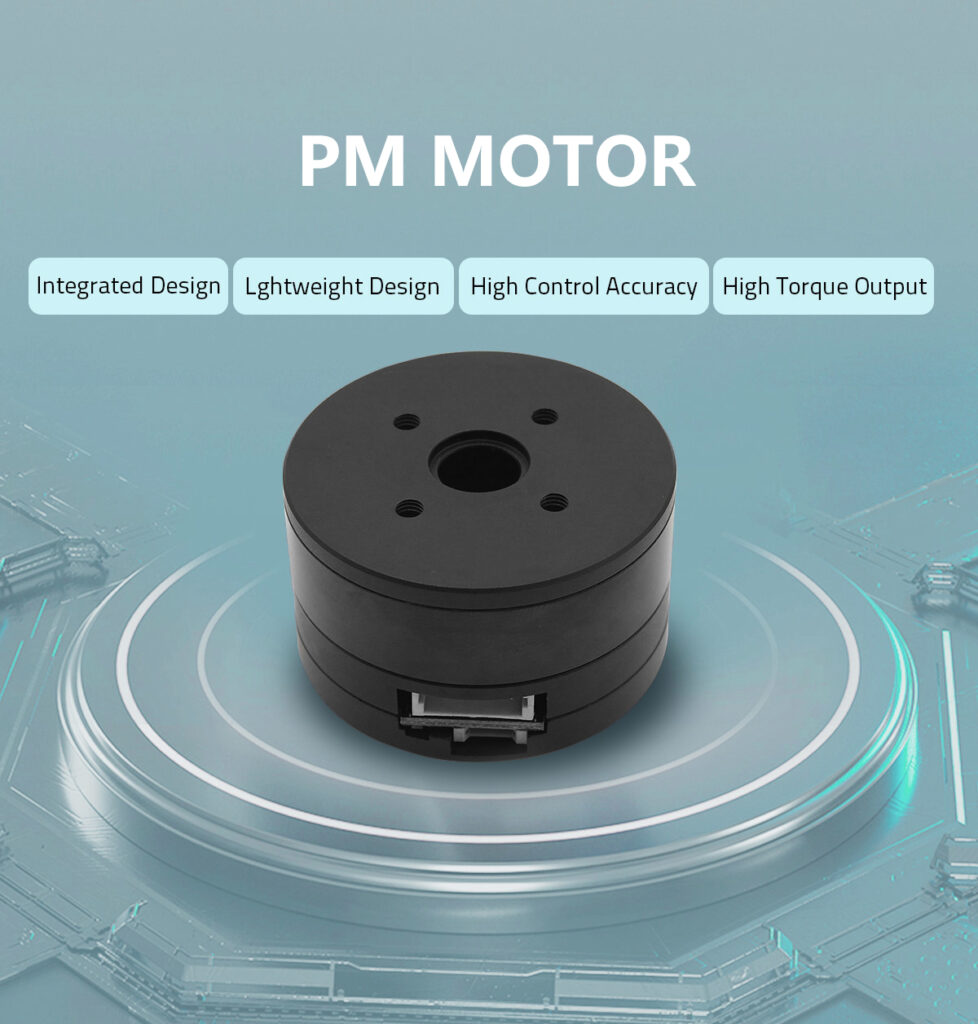
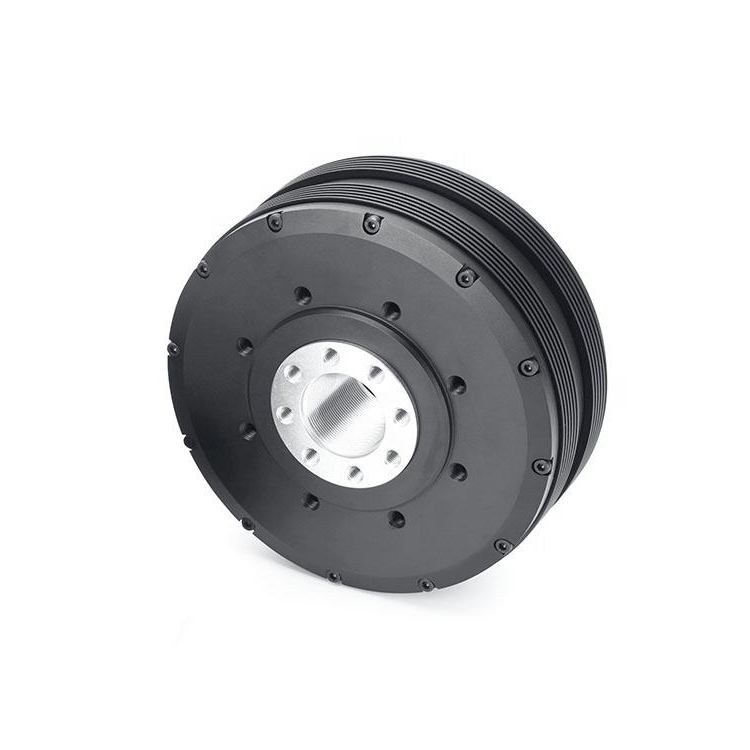
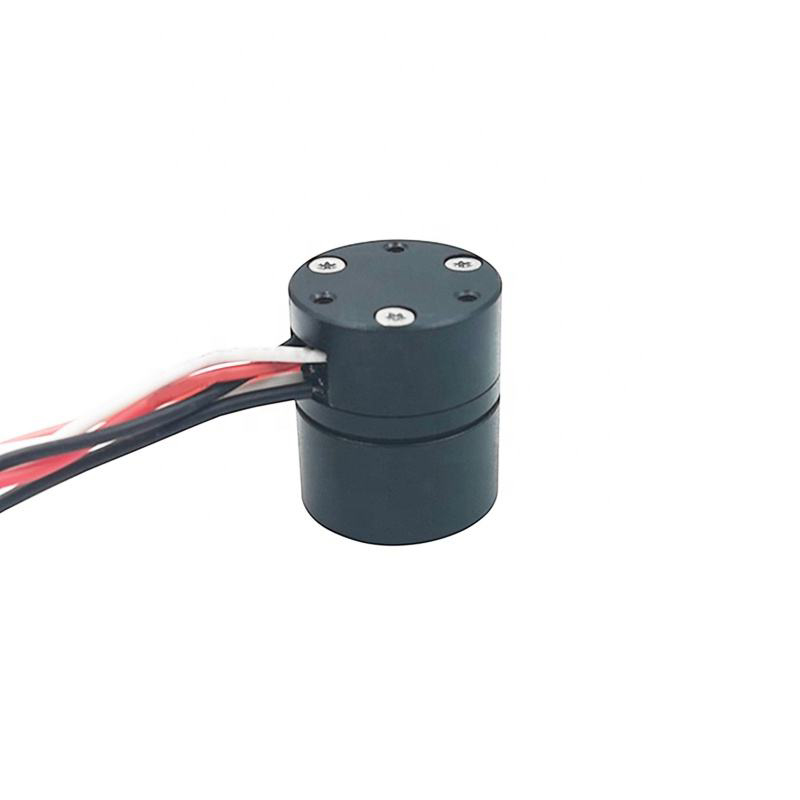
PM motors offer higher efficiency and torque density compared to induction motors. However, induction motors have historically been more widely available and cost-effective. Recent advances in PM materials like neodymium magnets have made PM motors more viable for a range of uses.
Let’s compare PM and induction motors on factors like efficiency, torque production, speed control, cost, and materials. Engineers often frame this as an induction vs permanent magnet motor decision, balancing performance, materials, and lifetime cost.
Vantagens de eficiência e densidade de torque dos motores PM
-
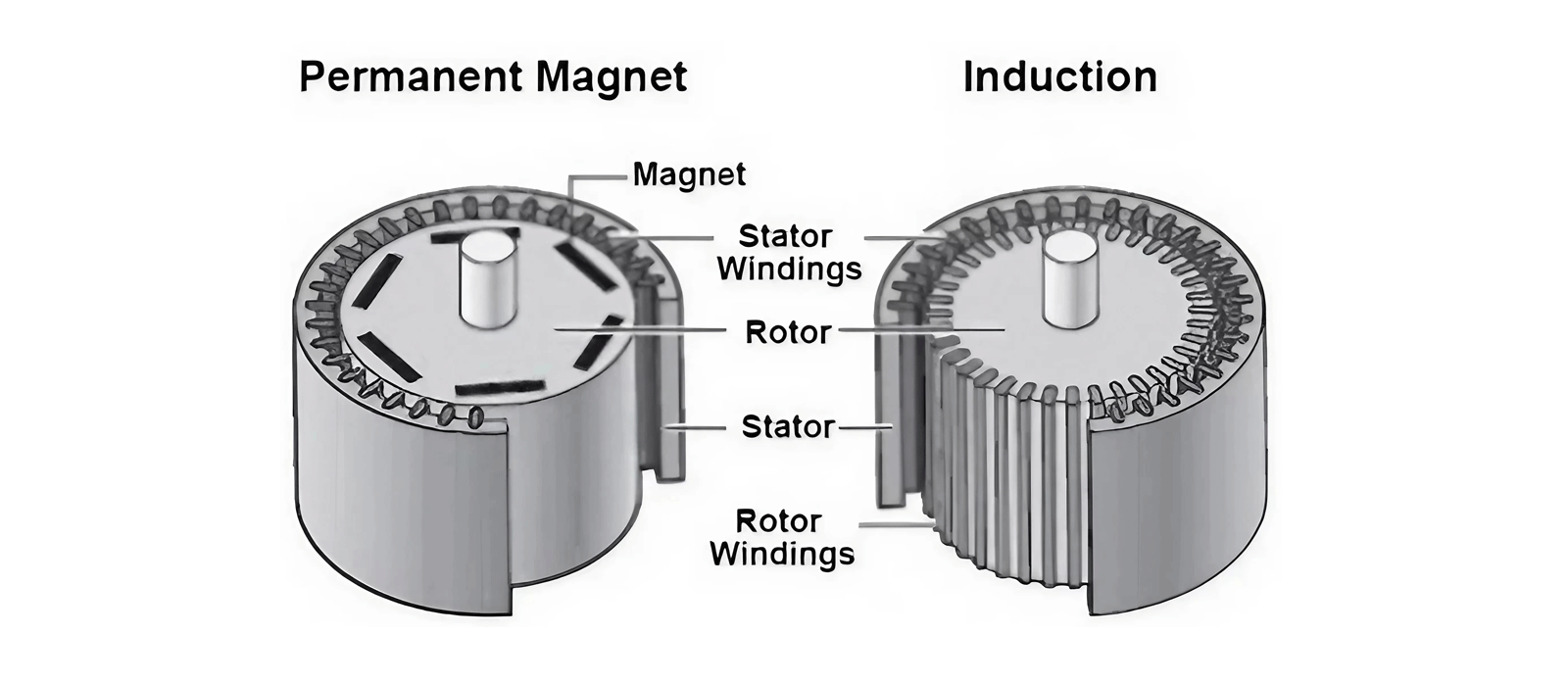
- Os motores PM possuem operação síncrona inerente, eliminando o atraso entre o rotor e o estator. Isso permite classificações de eficiência de até 97,5%.
- Induction motors are typically limited to 90-93% efficiency due to required slippage between applied stator current and the resulting rotor field.
- PM motors offer higher torque density — more torque per weight. A 50 kW PM motor weighs under 30 lbs versus a 75 HP induction motor over 500 lbs.
Controle de velocidade e frequência
- Os motores PM operam de forma síncrona na frequência aplicada, permitindo um controle preciso da velocidade variável.
- Induction motors cannot reach synchronous speed due to required slippage. At 60 Hz, ~5% speed loss limits speed control flexibility.
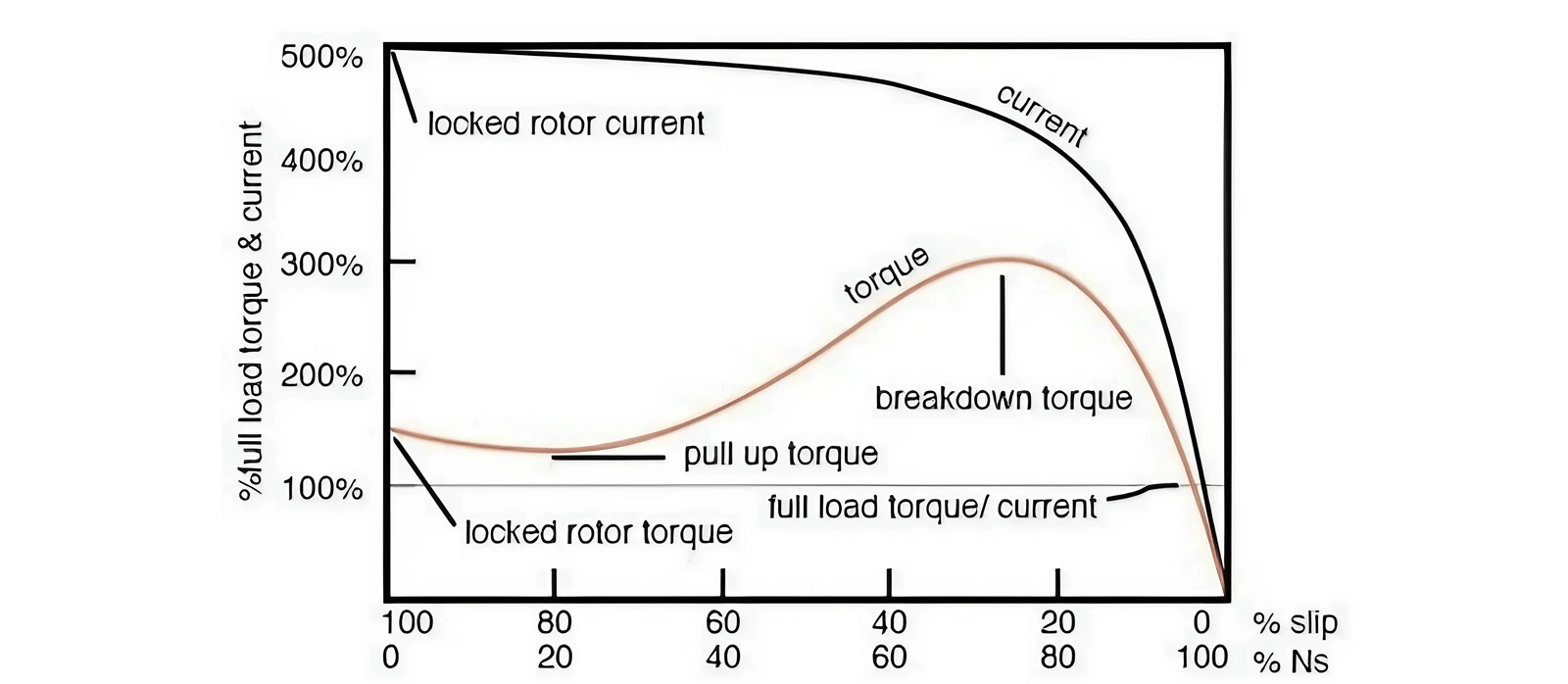
Considerações de custo
- Os ímãs de motor PM, como o neodímio, são mais caros. Oportunidade de usar metal em pó para compensar custos.
- Os motores de indução usam laminações de aço silício prontamente disponíveis, mantendo os custos baixos.
Materiais e Fabricação
- O rotor e o estator PM podem ser de metal em pó, evitando desperdício de laminação. Compostos magnéticos macios (SMCs) permitem perdas mais baixas em altas frequências.
- Rotores e estatores de motores de indução tradicionalmente usam aço silício laminado.
- O metal em pó permite a modelagem 3D para eliminar perdas de rotação final em motores PM. Mais ganhos de eficiência.
Conclusão:
Com maior eficiência, controle de velocidade preciso e peso mais leve, os motores PM são superiores aos motores de indução para aplicações como EVs, ferramentas a bateria e acionamentos de velocidade variável. O uso de metal em pó ajuda a melhorar o desempenho do motor PM e a eficiência de custos. Avanços recentes em materiais PM ajudaram a tornar os motores PM substitutos viáveis para motores de indução em indústrias que buscam a eletrificação.
Q&A
Question: Why are PM motors typically more efficient than induction motors?
Short answer: PM motors run synchronously with the applied frequency, so there’s no rotor–stator lag (slip). This inherent synchronous operation enables efficiencies up to 97.5%. In contrast, induction motors require slip to induce rotor current, which limits them to about 90–93% efficiency.
Question: How do torque density and weight compare between PM and induction motors?
Short answer: PM motors deliver higher torque per unit weight. As an example from the text, a 50 kW PM motor can weigh under 30 lbs, whereas a 75 HP induction motor can exceed 500 lbs, highlighting the much higher torque density of PM designs.
Question: How does slip affect speed control in induction motors versus PM motors?
Short answer: PM motors operate exactly at the applied electrical frequency, enabling precise variable speed control. Induction motors never reach synchronous speed due to necessary slip; at 60 Hz this can produce about a 5% speed loss, reducing speed control precision and flexibility.
Question: What are the key cost considerations for PM and induction motors?
Short answer: PM motors use magnets like neodymium, which add cost; however, powder metal approaches can help offset this. Induction motors rely on widely available laminated silicon steel, which generally keeps their costs lower and availability higher.
Question: How do materials and manufacturing choices impact performance, and where are PM motors a strong fit?
Short answer: PM rotors and stators can be made with powder metal and soft magnetic composites (SMCs), reducing lamination waste, lowering high-frequency losses, and enabling 3D geometries that eliminate end-turn losses—boosting efficiency. These advantages make PM motors especially compelling for EVs, battery-powered tools, and variable speed drives where high efficiency, precise control, and low weight are priorities.