Introduction
Choosing the correct stepper motor size is essential for achieving optimal performance in automation, robotics, and precision machinery. Stepper motors come in a variety of sizes, each suited to specific torque requirements, space constraints, and applications. In this comprehensive guide, we’ll explain stepper motor sizes, highlight the most common NEMA frame types, and provide expert tips for selecting the perfect stepper motor for your project.
What is a Stepper Motor?
A stepper motor is a brushless, synchronous electric motor that divides a full rotation into a series of precise steps. This unique design allows for accurate control of position, speed, and acceleration—making stepper motors ideal for applications requiring repeatable motion and positioning.
Understanding Stepper Motor Sizes
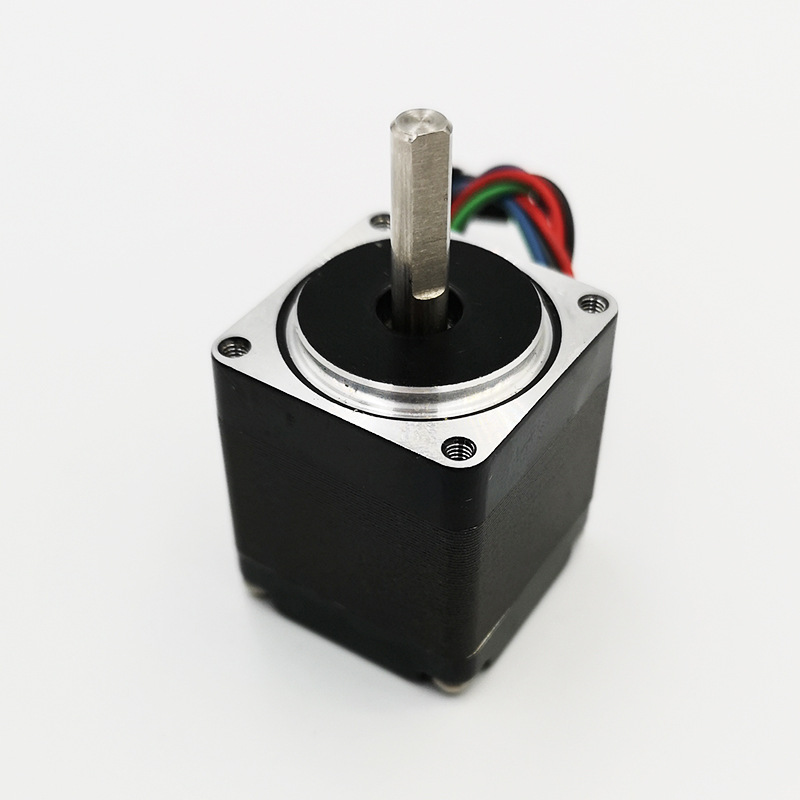
Stepper motor sizes are typically defined by the NEMA (National Electrical Manufacturers Association) standard, which specifies the faceplate dimensions of the motor in inches. The most common stepper motor sizes include:
| NEMA Size | Frame Size (mm) | Typical Torque (N·cm) | Common Applications |
|---|---|---|---|
| NEMA 8 | 20 x 20 | 5–10 | Medical devices, precision tools |
| NEMA 11 | 28 x 28 | 10–20 | Cameras, small automation |
| NEMA 14 | 35 x 35 | 15–30 | Printers, small robots |
| NEMA 17 | 42 x 42 | 20–45 | 3D printers, desktop CNC machines |
| NEMA 23 | 57 x 57 | 80–180 | Robotics, industrial automation |
| NEMA 34 | 86 x 86 | 200–400 | Large CNC machines, packaging lines |
NEMA number refers to the width of the faceplate in tenths of an inch (e.g., NEMA 17 = 1.7 inches or 42mm).
How to Choose the Right Stepper Motor Size
Selecting the right stepper motor size depends on several key factors:
1. Torque Requirements
- Calculate the load torque: Estimate the force required to move your load, considering friction, gravity, and acceleration.
- Choose a motor with a safety margin: Select a stepper motor that provides at least 20–30% more torque than your calculated requirement.
2. Speed and Step Rate
- Higher speeds may require larger motors or specialized drivers.
- Consider the maximum step rate needed for your application.
3. Voltage and Current Ratings
- Ensure your power supply and driver can support the motor’s electrical requirements.
4. Physical Space Constraints
- Measure the available space in your device or machine to ensure the chosen NEMA size will fit.
5. Application Environment
- Consider factors such as temperature, vibration, and exposure to dust or moisture.
Applications of Different Stepper Motor Sizes
- NEMA 8 & 11: Used in compact devices like medical instruments, cameras, and small robotics.
- NEMA 17: The most popular size for 3D printers, desktop CNC machines, and hobbyist projects.
- NEMA 23: Preferred in industrial automation, robotics, and larger CNC equipment.
- NEMA 34: Ideal for heavy-duty applications requiring high torque, such as packaging machinery and large manufacturing equipment.
Stepper Motor Size Comparison Chart
| NEMA Size | Frame Size (mm) | Max Torque (N·cm) | Typical Uses |
|---|---|---|---|
| NEMA 8 | 20 x 20 | 10 | Laboratory equipment, optics |
| NEMA 17 | 42 x 42 | 45 | 3D printers, small CNC, robotics |
| NEMA 23 | 57 x 57 | 180 | Industrial automation, conveyors |
| NEMA 34 | 86 x 86 | 400 | Packaging, large CNC machines |
Frequently Asked Questions (FAQ)
Q1: What is the most common stepper motor size?
A: NEMA 17 is the most widely used stepper motor size, especially in 3D printers and desktop CNC machines.
Q2: How do I calculate the stepper motor size I need?
A: Determine your load’s torque requirement, add a safety margin, and select a motor whose torque rating exceeds that value. Consider your speed, voltage, and space constraints as well.
Q3: What does NEMA mean in stepper motors?
A: NEMA stands for the National Electrical Manufacturers Association, which standardizes frame sizes for motors to ensure compatibility and ease of replacement.
Q4: Can I use a larger stepper motor than required?
A: While you can use a larger motor, it may be less efficient, heavier, and more costly. It’s best to use a motor that matches your application’s needs.
Expert Tips for Stepper Motor Selection
- Always verify torque curves: Manufacturers provide torque vs. speed curves—use these to ensure the chosen motor meets your needs at the desired speed.
- Consider driver compatibility: Make sure your stepper driver can fully utilize the motor’s capabilities.
- Plan for future upgrades: If your application may require more power later, consider a slightly larger motor.
Conclusion
Understanding stepper motor sizes is crucial for making informed decisions in automation, robotics, and precision machinery. By considering torque, speed, voltage, and space requirements, you can confidently select the right stepper motor size for your project.
Need help choosing the perfect stepper motor?
Contact our experts or browse our stepper motor catalog for personalized recommendations.