
Best CAD Software for Brushless DC Motors | BLDC Design Tools & Workflow
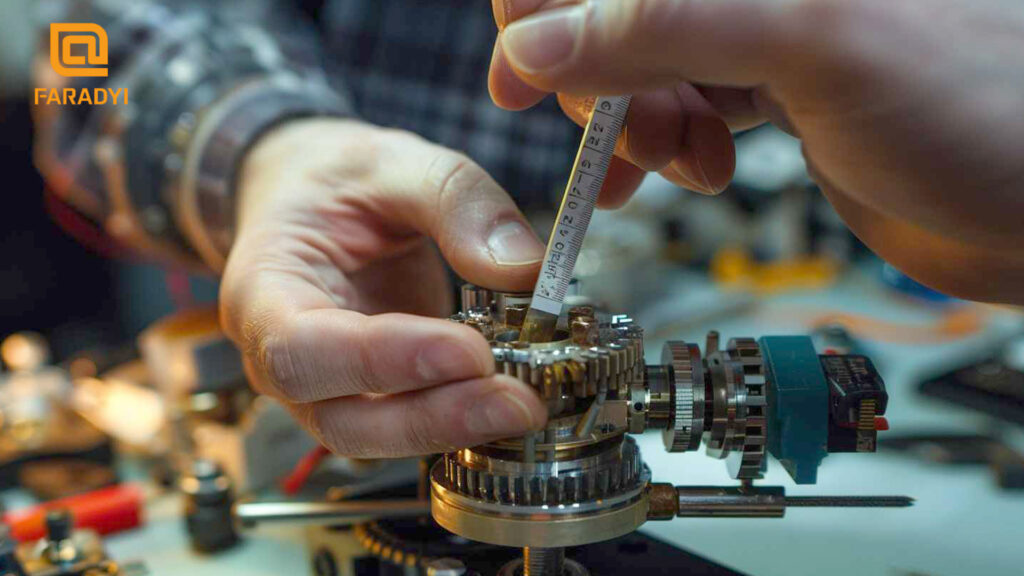
Explore the top CAD software for brushless DC motors, including MotorSolve, SPEED, and Motor‑CAD. Learn workflows, FEA simulation, and BLDC design optimization.
Design technical requirements and process of brushless DC motor
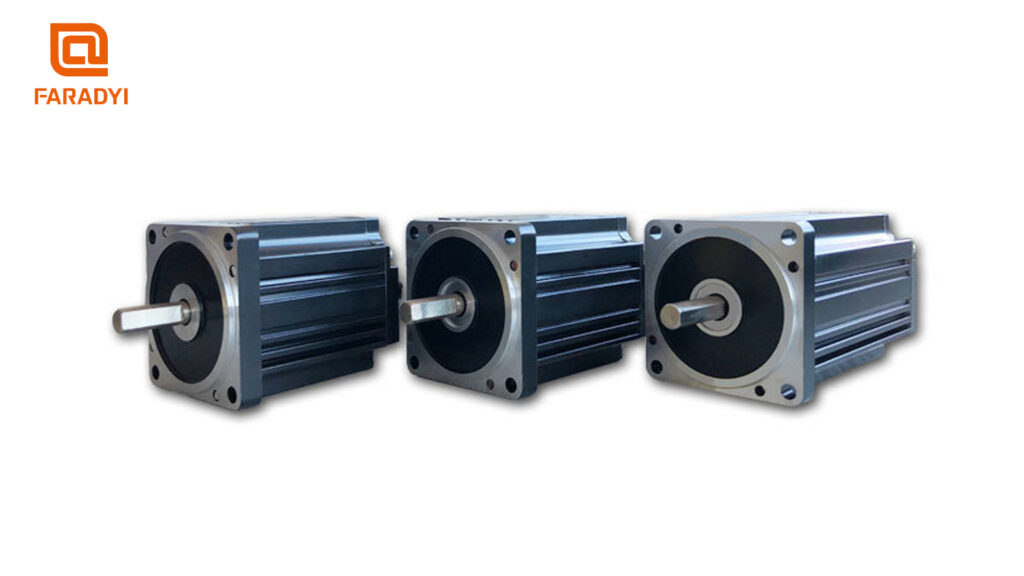
Design technical requirements and typical design process of brushless DC motor.For further information on brushless DC motor design or technical support, please feel free to contact us.
Selection Methods for Brushless DC Motor Body Structure
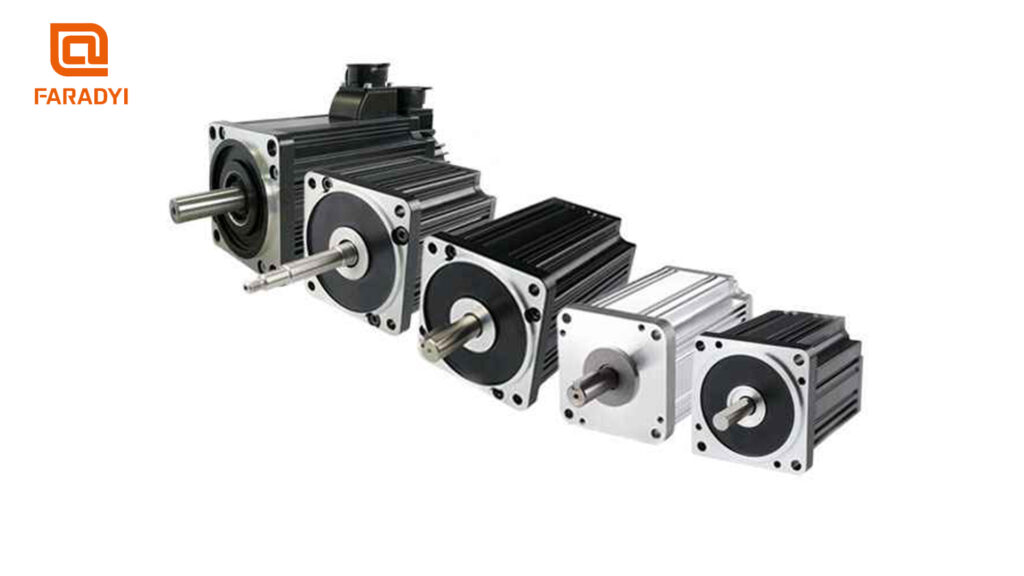
Selection of the brushless DC motor body structure should be based on a comprehensive consideration of specific application needs and performance requirements. Choosing the right structure can maximize design requirements, improve motor efficiency, and enhance reliability.
Differences in Characteristics and Functions Between DC and AC Servo Motors
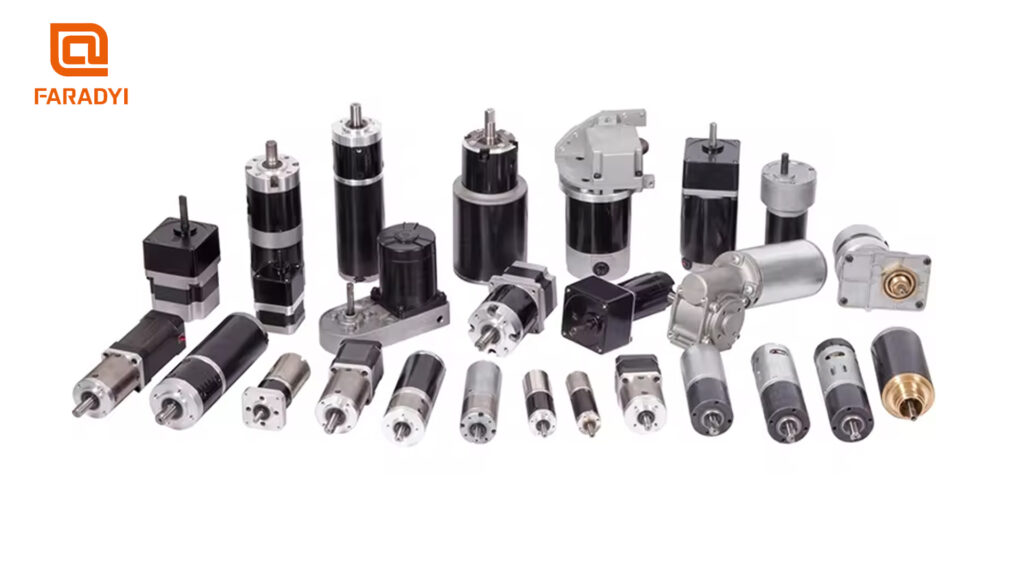
The differences in characteristics and functions between DC and AC servo motors reflect their unique strengths and weaknesses. AC servo motors are suitable for applications requiring soft characteristics and broad use, while DC servo motors are known for their precise speed control, smooth operation, and efficiency. As technology continues to advance, both types of motors are expected to see further improvements, leading to more efficient and reliable motor systems.
How to Start and Use Brushless Motors
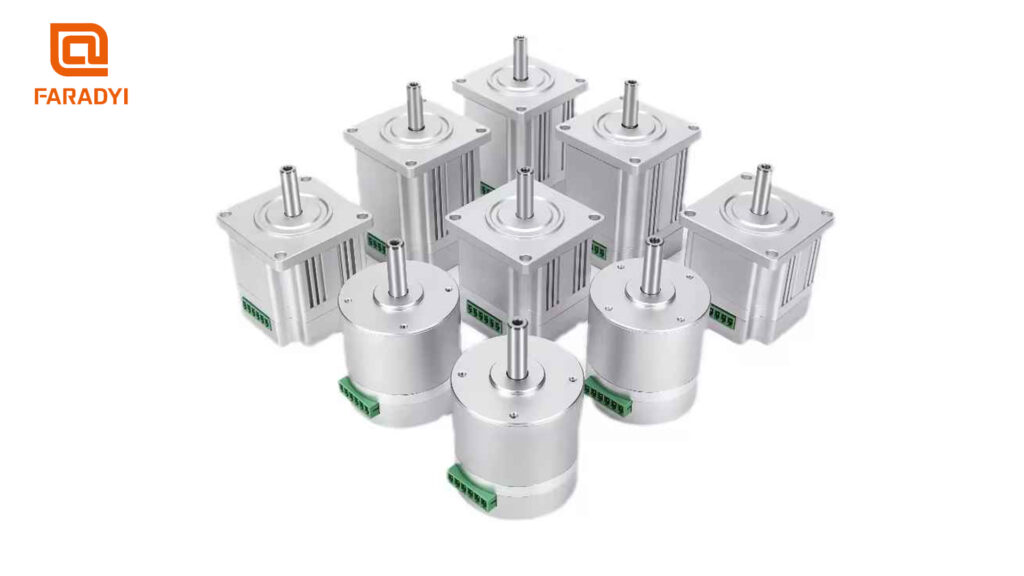
Most brushless motors on the market use Hall sensors to sense position and are controlled by sinusoidal wave controllers for normal operation.
Analysis and Solutions for Vibration and Noise in Low-Speed Operation of Stepper Motors
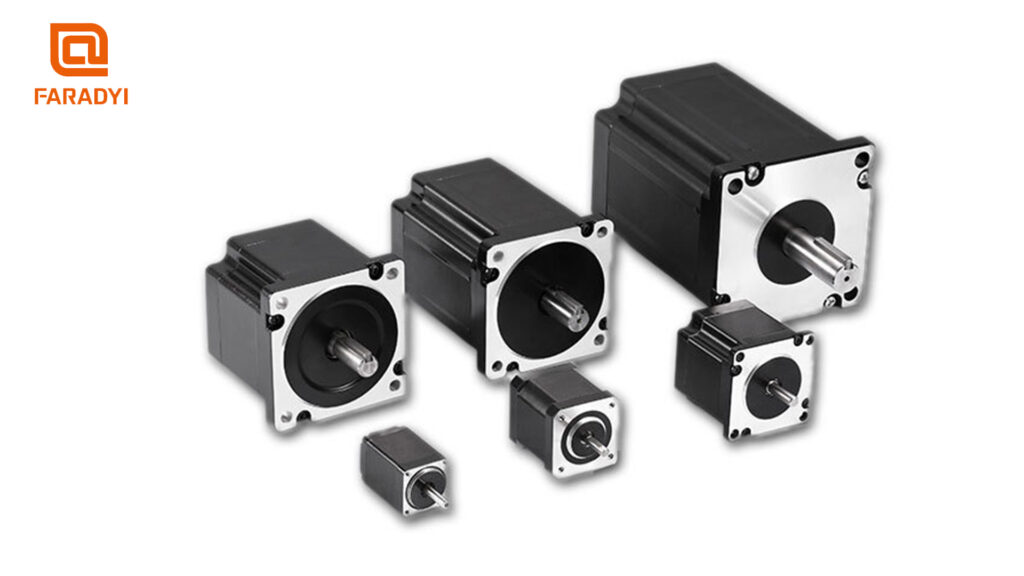
Stepper motors may experience jitter and noise when running at low speeds. Solutions include using subdivision drivers, adjusting the installation environment, changing the step angle, or considering servo motors.
Exploration and Analysis of Brushless Driver Parameter Adjustment Rules
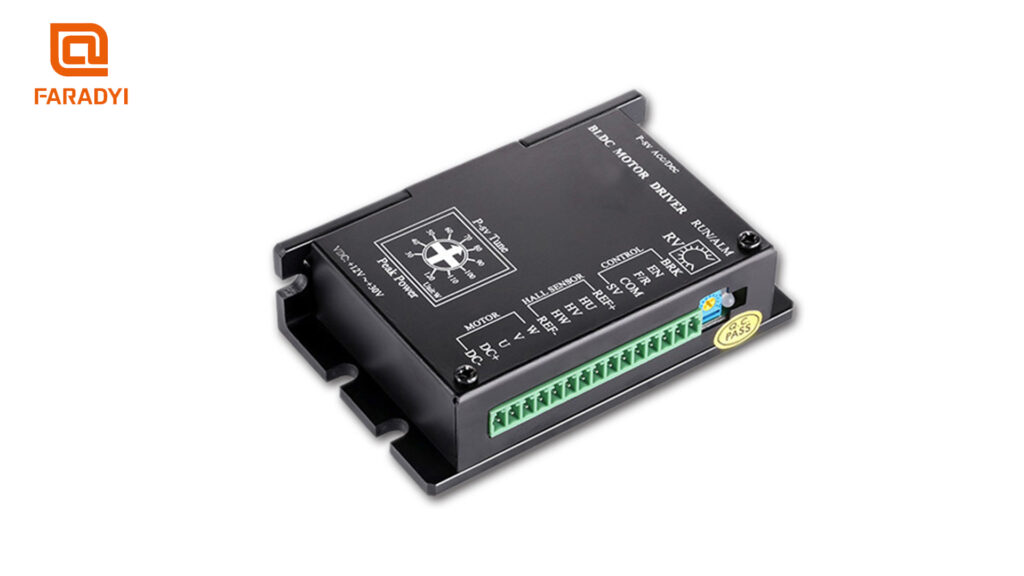
This article discusses how to adapt PID parameters to the dynamic process of brushless driver systems. It covers adjusting Kp and Ki values based on the deviation magnitude, deviation rate, and controlled quantity’s proximity to the set value. It also highlights the importance of differential action in improving system dynamics and control accuracy. Understanding these rules can help optimize the performance of brushless driver systems.
Basic Principles Of Brushless DC Gear Motors
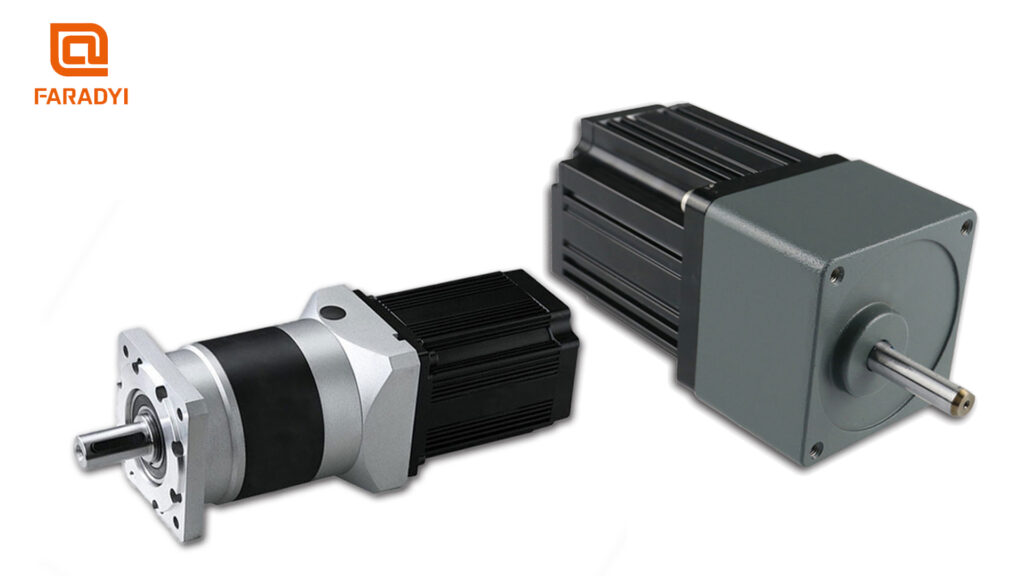
Brushless DC gear motors combine brushless DC motors with gear reduction units to decrease speed and increase torque. This article explains the concept of gear ratio, methods for calculating gear ratios, and the relationship between motor output torque, speed, and power. It also highlights the application of brushless DC gear motors across various industries and introduces Dongguan Faradyi Motor Co., Ltd., a leading manufacturer in the field of industrial automation.
Control Methods For Brushless DC Gear Motors
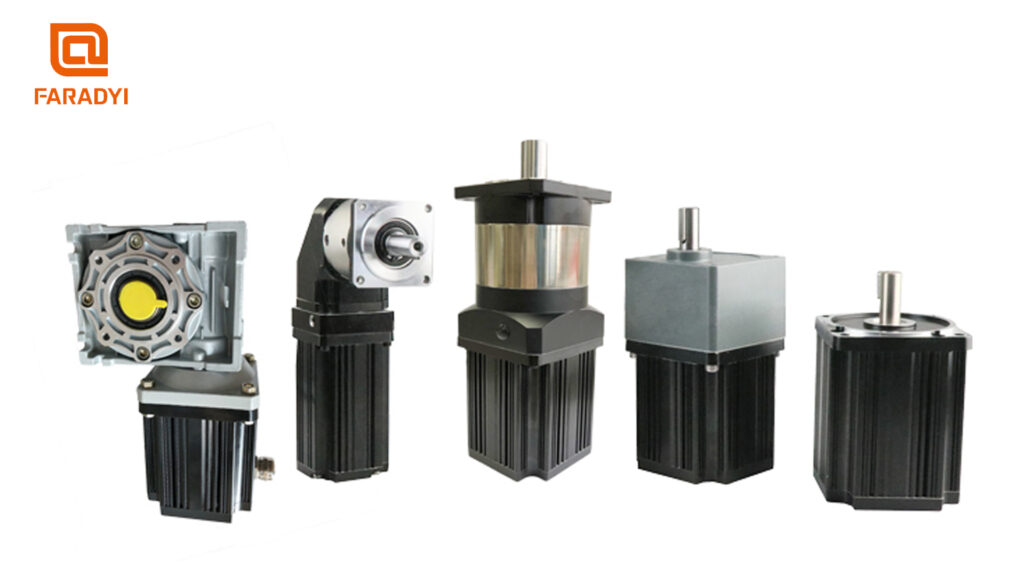
Various control methods available for brushless DC gear motors, including speed control, microcontroller control, and forward/reverse control. Brushless DC gear motors have the advantages of low noise, compact size, high efficiency, and low energy consumption. Understanding these control methods is critical to optimizing the performance of brushless DC gear motors in different applications.
Principles, Model Selection, and Connection Methods of Brushless DC Gear Motors
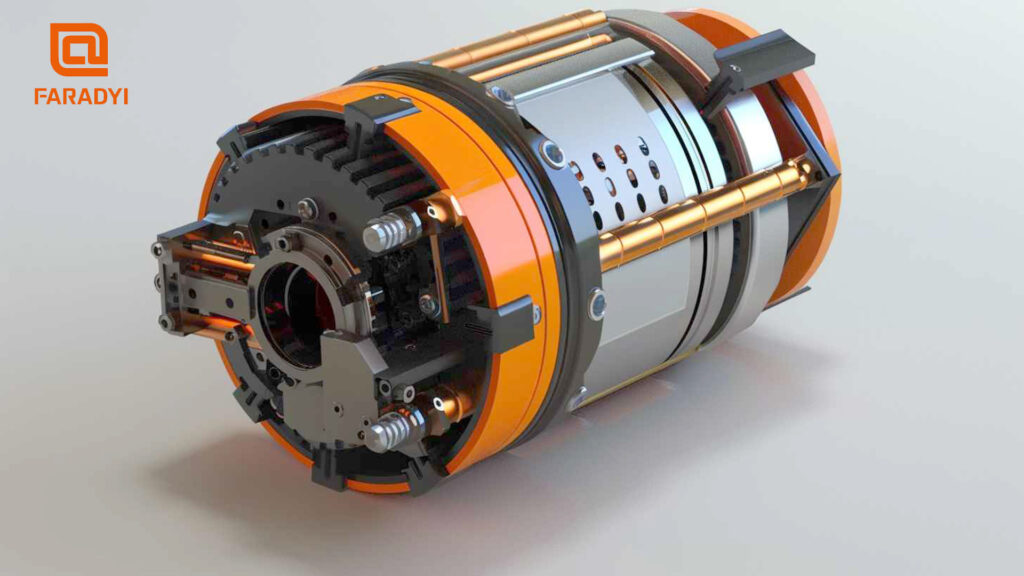
This article explores brushless DC gear motors, emphasizing their integration of gearboxes and brushless DC motors. It outlines their operational principles, selection criteria, and connection methods. Brushless DC gear motors offer advantages such as excellent speed regulation and simplified maintenance compared to traditional DC motors. The article serves as a concise guide for understanding and utilizing brushless DC gear motors effectively.
Brushless Dc Motor Starting Strategy And Speed Adjustment Analysis
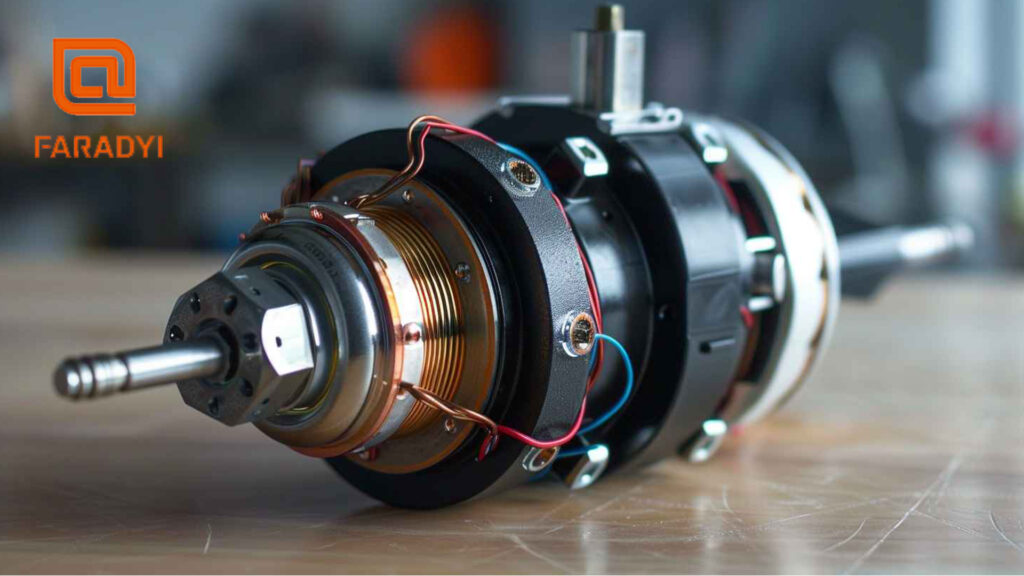
Due to the operating characteristics of brushless DC motors, if the starting strategy is improper, the starting current may be much higher than the normal value, thereby damaging the hardware circuit; on the other hand, starting current that is too small may also lead to insufficient electromagnetic torque, making it difficult to start the motor. And the startup time is longer.
What Is Brushless Motor Vector Control?
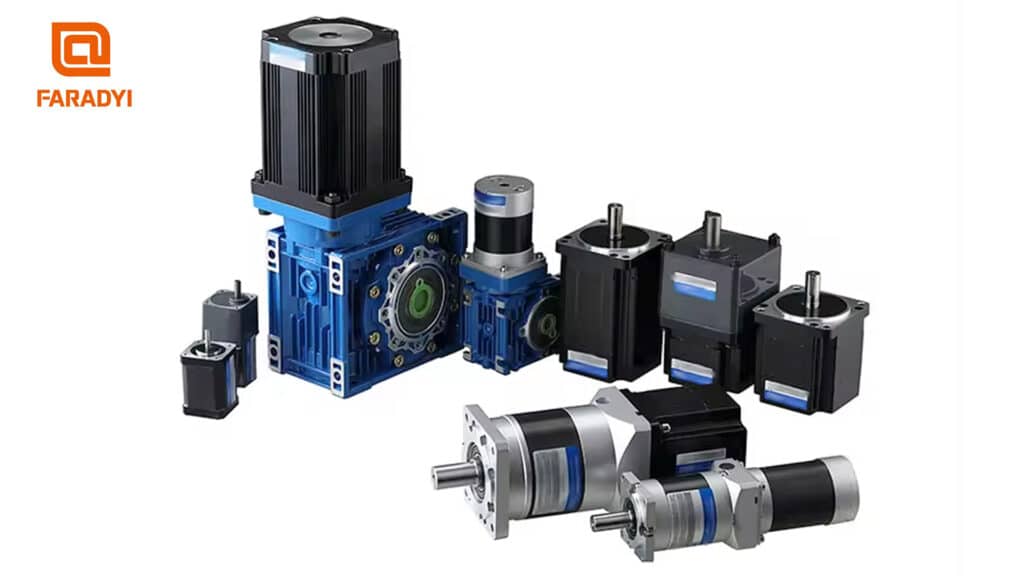
Vector control and sine wave control are two brushless motor control methods. The core difference lies in the current control method. Vector control directly controls the vector current components in the parallel and perpendicular directions of the rotor magnetic field, eliminating the limitations of controller bandwidth and phase drift. Through mathematical calculation and reference coordinate conversion, precise control of the stator coil current and voltage is achieved, making the current quality independent of the motor speed. This control method simplifies the control process and improves system efficiency and performance.